
Increasing Building Value: Why Lobby and Hallway Renovations are Essential for NYC Co-ops & Condos
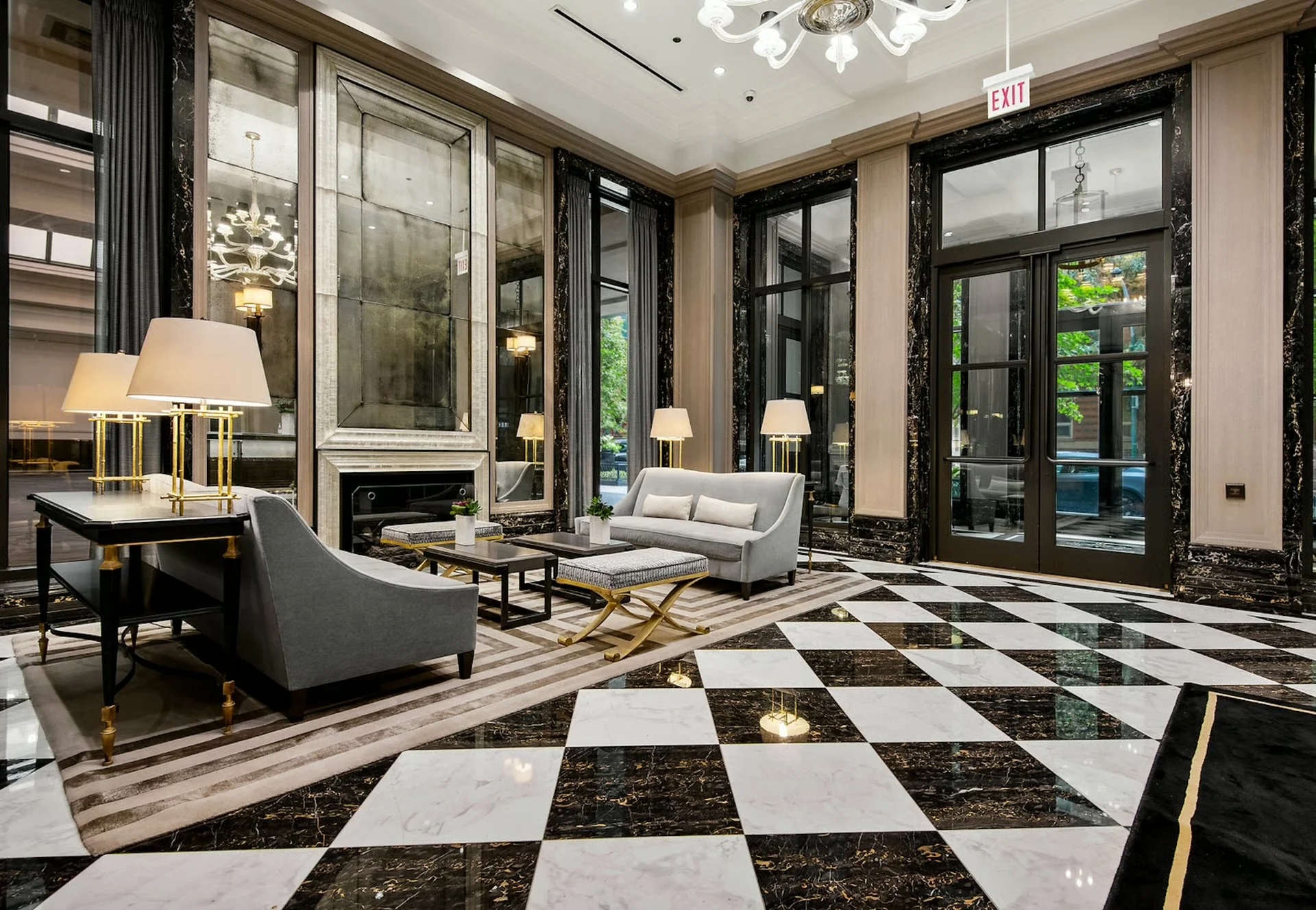
If you're a co-op or condo board member in New York City, you're constantly balancing the needs of current residents with the long-term financial health of your building. Among the various capital improvement projects you might consider, lobby and hallway renovations stand out as one of the most strategic investments you can make—directly impacting both individual unit values and the building's competitive position in the market.
This comprehensive guide explains why apartment building common area upgrades should be at the top of your capital planning list, how these projects deliver measurable ROI, and what boards need to know to execute successful renovations in NYC's unique regulatory environment.
The First Impression Factor: Why Common Areas Matter More Than Ever
When prospective buyers or their brokers arrive at your building, they form an opinion within seconds. That initial impression—formed entirely by your lobby, entrance, and hallways—can determine whether they even bother to view the unit itself.
Real estate brokers consistently report that outdated or poorly maintained common areas are among the top reasons buyers reject buildings before ever seeing an apartment. In today's competitive NYC market, where buyers have countless options at every price point, your building's common areas are your calling card. They communicate quality, attention to detail, and responsible management—or they do the opposite.
Consider the buyer's perspective: they're making one of the largest financial commitments of their lives. When they walk into a lobby with peeling paint, dim lighting from decades-old fixtures, scuffed walls, and worn carpeting, they immediately question what other deferred maintenance might be lurking behind the scenes. Conversely, a beautifully renovated lobby with modern lighting, fresh finishes, and thoughtful design details signals that this is a building where management cares about long-term value.
The importance of this first impression cannot be overstated. Your building might have the most stunning apartments in the neighborhood, but if prospective buyers won't walk through the front door, those units will sit on the market longer and ultimately sell for less than they should.
The 10% Rule: How Common Area Upgrades Increase Unit Values
Here's the number that should get every board's attention: high-quality lobby and hallway renovations can increase individual unit values by up to 10%. For a building with an average unit value of $1 million, that translates to $100,000 in increased value per apartment—a significant return on the building's investment in common area upgrades.
This isn't speculation. Real estate appraisers and brokers consistently factor building condition and common area quality into their valuation models. Comparable sales data from across Manhattan and Brooklyn demonstrates that units in buildings with recently renovated lobbies and hallways command premium prices over similar units in buildings with dated common areas.
The math becomes even more compelling when you consider the multiplier effect across all units. A $500,000 lobby renovation in a 50-unit building represents a $10,000 per-unit assessment. If that renovation increases each unit's value by even 5%, you're looking at $50,000 in value creation per unit for a $10,000 investment—a 5:1 return ratio that's difficult to match with almost any other capital improvement.
Beyond raw numbers, consider the velocity of sales. Units in buildings with attractive, well-maintained common areas sell faster. Days on market matter—extended listings lead to price reductions, carrying costs for sellers, and a general softening of perceived value. When your building presents beautifully from the moment prospects arrive, units move quickly at asking price or above.
Competitive Positioning: Vintage Charm vs. Outdated Maintenance
One of the most significant challenges facing older NYC co-ops and condos is competing with new construction and recently converted buildings that offer amenity-rich modern living experiences. These newer buildings have one key advantage: everything is new, from the lobby to the roof deck.
But here's what many boards don't realize: you can't compete on amenities alone, but you absolutely can compete on quality and character. The key is understanding the difference between vintage charm and outdated maintenance—a distinction that makes or breaks your competitive position.
Vintage charm includes original architectural details like crown molding, high ceilings, parquet floors, and the solid construction that characterizes pre-war buildings. These are selling points that new construction can't replicate. Outdated maintenance includes flickering fluorescent lighting, water-stained ceiling tiles, cracked plaster, and worn-through carpet runners—problems that signal deferred maintenance and poor management.
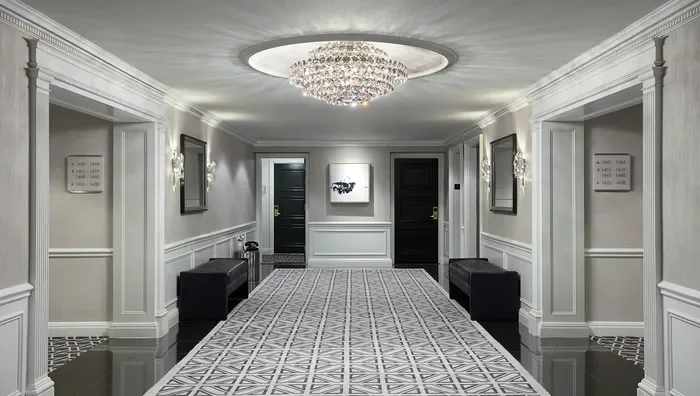
A strategic hallway remodeling NYC project preserves the former while eliminating the latter. You maintain the character that makes your building special while updating everything else to contemporary standards. This approach positions your building as having the best of both worlds: the charm and quality of pre-war construction with the polish and functionality of modern design.
Take lighting as a perfect example. Original fixtures might be beautiful architectural elements worth restoring, but the lighting itself—the bulbs, the wattage, the dimness of poorly lit corridors—can be completely modernized. LED upgrades reduce energy costs by 30% or more while providing warm, inviting illumination that makes hallways feel safe and welcoming.
Similarly, original terrazzo or mosaic lobby floors are valuable features worth preserving and restoring. But the walls, ceiling, paint colors, directory systems, and seating areas can all be updated to current aesthetics without sacrificing the building's character.
Strategic Common Area Upgrades That Deliver Maximum Impact
Not all apartment building common area upgrades are created equal. Some improvements deliver dramatic visual impact and measurable value increase for relatively modest investment. Others, while important for functionality, don't move the needle on market perception as significantly. Understanding where to invest your capital improvement dollars makes the difference between an adequate renovation and one that transforms your building's competitive position.
Lighting: The Highest ROI Upgrade
If you're going to prioritize one improvement, make it lighting. Proper illumination transforms spaces more dramatically than almost any other single change, and it's also one of the most cost-effective upgrades you can make.
Original hallway and lobby lighting in most NYC buildings was designed for a different era—when electricity was expensive, ambient light levels were lower, and safety standards were less stringent. The result is buildings where hallways feel dark, unsafe, and uninviting even during the day.
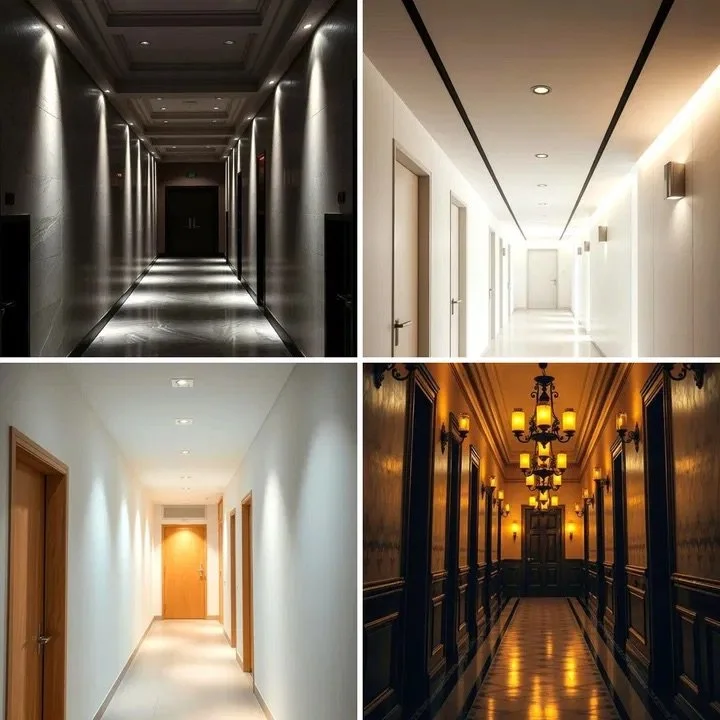
Modern LED lighting systems address multiple concerns simultaneously. They dramatically reduce energy consumption and maintenance costs, provide even, shadow-free illumination that enhances safety and security, can be dimmed or programmed for different times of day, and create visual interest through layered lighting design rather than harsh overhead fixtures.
In hallways specifically, consider combining ambient lighting with accent lighting that highlights architectural details or artwork. In lobbies, think about creating focal points with feature lighting while maintaining overall brightness. The goal is spaces that feel simultaneously inviting and secure—where residents and guests feel comfortable at any hour.
The financial case for lighting upgrades is straightforward. A comprehensive lighting retrofit typically pays for itself through reduced energy and maintenance costs within three to five years, while immediately improving the building's aesthetic appeal. It's rare to find an improvement that checks both the ROI box and the visual impact box so completely.
Flooring and Wall Treatments: Foundation of First Impressions
After lighting, focus on the horizontal and vertical surfaces that define your spaces—floors and walls. These are the elements people see and interact with constantly, and their condition sends an immediate message about building quality.
For lobbies, the flooring choice depends on your building's style and budget. High-traffic commercial-grade carpet tiles offer warmth and sound absorption while providing easy replacement of damaged sections. Polished concrete or terrazzo creates a contemporary feel while being virtually indestructible. Restored original floors maintain historical character while looking fresh and well-maintained.
In hallways, durability is paramount. Hallway corridors see constant foot traffic, luggage wheels, delivery carts, and occasional contractor equipment. Your hallway flooring needs to withstand this abuse while still looking presentable. Commercial-grade carpet designed specifically for corridors, luxury vinyl tile that mimics wood or stone, or polished concrete all offer excellent longevity with minimal maintenance.
Wall treatments have evolved significantly in recent years. Modern wallcoverings designed for commercial use offer incredible durability against scuffs and impacts while providing visual interest that paint alone can't match. Vinyl wallcoverings with fabric or textile textures add sophistication to hallways. Wainscoting or chair rail with impact-resistant lower panels protects walls while adding architectural detail.
The common area hallway often suffers the most damage from moving activity, so consider protective measures as part of your design, not afterthoughts. Corner guards, door jamb protectors, and wall-mounted furniture protection are all standard in well-managed buildings and can be integrated into your design aesthetic rather than appearing as purely functional add-ons.
Modernizing Building Directories and Wayfinding
In the age of smartphones and digital communication, it's easy to overlook building directories—until you realize how often guests and delivery people struggle to find the right apartment. A clear, well-designed directory system is both a functional necessity and an opportunity to make a positive impression.
Traditional printed directories under plexiglass look dated and are difficult to update as residents change. Modern alternatives include backlit directories with easily changeable inserts, digital screens that can be updated remotely, or elegant metal or wood directories with individual nameplates. The choice depends on your building's aesthetic and budget, but the key is making the system both functional and visually consistent with your overall design.
Wayfinding extends beyond the directory. Clear, attractive signage directing visitors to elevators, stairs, and specific apartment wings helps people navigate confidently. This is especially important in larger buildings with multiple wings or complex layouts.
Creating Common Kitchen and Recreation Spaces: Amenities That Attract
While lobby and hallway renovations focus on shared spaces everyone uses daily, many buildings are also adding dedicated amenity spaces that provide communal gathering areas and increase the building's competitive appeal against new construction.
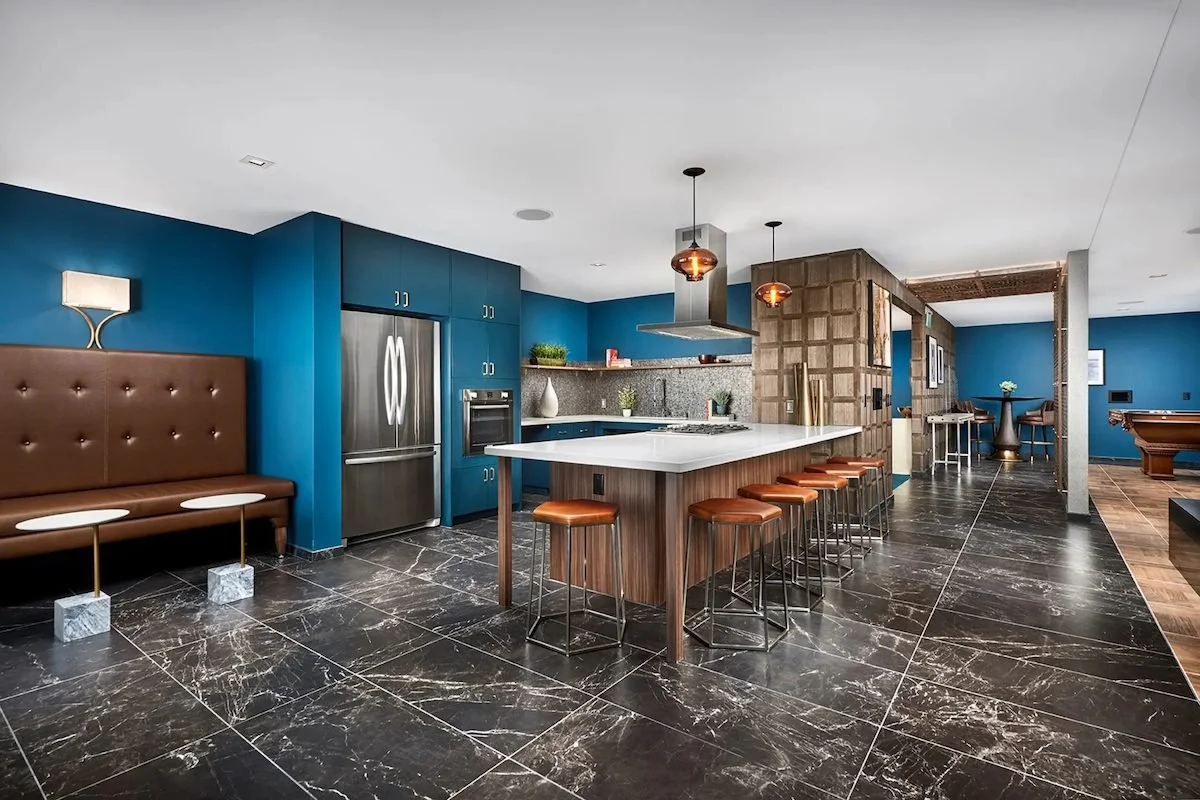
A common kitchen apartment space is among the most popular amenity additions in recent years. These aren't full commercial kitchens but rather residential-style spaces where residents can host larger gatherings than their apartments allow, prepare food for building events, or simply have a change of scenery for their weekly meal prep.
The key to successful common kitchen design is making it feel residential rather than institutional. High-quality appliances, attractive cabinetry, comfortable seating, and thoughtful details like good lighting and adequate counter space all contribute to a space residents will actually use. Many buildings pair their common kitchen with flexible event space, creating a venue for everything from building holiday parties to resident-organized cooking classes or book clubs.
Common area recreation space suggestions often include fitness rooms, children's playrooms, co-working spaces, or roof decks. The right choice depends on your building's demographics. A building with many young families might prioritize a playroom. One with lots of remote workers might focus on a quiet co-working lounge. Buildings with outdoor space should consider how to maximize its appeal year-round.
The ROI calculation for these amenity additions is different from lobbies and hallways. They won't increase the value of every unit by 10%, but they do expand your building's appeal to specific buyer demographics who increasingly expect these features in their building search.
The Refresh vs. Full Renovation Decision
Not every building needs a complete lobby and hallway overhaul. Sometimes a strategic refresh—targeted updates that address the most visible issues—can deliver dramatic improvements at a fraction of the cost of a full renovation.
A refresh typically involves repainting walls and ceilings, replacing or deep cleaning carpeting or flooring, upgrading lighting fixtures, and addressing any obvious maintenance issues like ceiling stains or damaged trim. You're working within the existing layout and design framework but bringing everything up to current standards of cleanliness and maintenance.
This approach works well for buildings where the underlying design is sound but everything has simply aged and become tired. It's also appropriate when budget constraints prevent a full renovation but boards recognize that doing nothing is costing them in terms of market perception and unit values.
The cost-effective ways to refresh common areas include focusing spending on the highest-impact elements first—typically lighting and paint. These two changes alone can transform a space. Add in professional cleaning of existing materials (carpets, stone floors, metal fixtures) and you'd be surprised how much better things can look.
However, a refresh has its limits. If your building's layout is problematic, if materials have reached end-of-life rather than just needing cleaning, or if the overall aesthetic is fundamentally dated rather than just tired, a refresh won't solve the problem. In these cases, a full renovation is the right answer.
The decision often comes down to whether you're addressing cosmetic aging or fundamental design obsolescence. A good architect or design-build contractor can help you evaluate which approach makes sense for your specific situation and budget.
Tenant Involvement and Communication: Keys to Smooth Execution
One aspect of common area renovations that boards sometimes underestimate is the importance of resident communication and involvement throughout the process. These are shared spaces that residents use daily, and construction activity will affect everyone to some degree.
Start communication early. Before you even finalize plans, consider surveying residents about their priorities and concerns. This doesn't mean designing by committee—boards must make final decisions—but understanding what residents value helps you make better choices and builds buy-in for the project.
Once plans are set, keep residents informed about timelines, expected disruptions, and what to expect at each phase. Regular updates via email, building website posts, or lobby postings help manage expectations. When residents know that the lobby will be inaccessible on certain days or that there will be dust protection in hallways for a specific period, they can plan accordingly and are much more tolerant of temporary inconvenience.
Tenant involvement can extend beyond communication. Some buildings have successfully engaged residents in selecting finish materials or color palettes from options the board and architect have pre-approved. This creates a sense of ownership and investment in the final result while keeping the process manageable.
Consider creating a renovation committee that includes board members and interested residents who can serve as ambassadors to the broader resident community. This group can review plans, provide feedback, and help communicate with neighbors about the project's progress.
Legal Considerations and Regulatory Requirements
NYC lobby and hallway renovations operate within a complex regulatory framework that boards must navigate carefully. Understanding these requirements upfront prevents costly delays and ensures compliance.
Department of Buildings permits are required for most substantial renovation work, particularly if you're modifying any building systems, changing layouts, or doing work that affects the building's structure. Your architect or contractor will file these permits, but boards should understand the process timeline—permit approvals can take several weeks to several months, depending on the scope of work and current DOB workload.
Fire safety regulations are particularly important in common areas. New York City has strict requirements for fire-rated materials, emergency lighting, exit signage, and egress paths. Any renovation work must maintain compliance with these regulations. For example, if you're upgrading hallway lighting, you must ensure emergency lighting and exit signs meet current code requirements. If you're installing new wall coverings, they must have the appropriate flame-spread ratings for their location.
ADA compliance is another critical consideration, especially for lobbies and first-floor common areas. While residential buildings have somewhat different requirements than commercial spaces, any renovation is an opportunity to improve accessibility. This might include ensuring clear floor space, accessible door hardware, appropriate signage, and barrier-free routes through common areas.
Many co-ops and condos have specific provisions in their governing documents about common area modifications and the approval process required. Boards should review these carefully before proceeding with substantial renovations. Some buildings require a shareholder vote for projects above certain dollar thresholds, while others give boards full authority for capital improvements.
Insurance considerations also come into play. Your building's insurance should be updated to reflect the increased value of renovated common areas. Additionally, your contractor must carry adequate general liability and workers' compensation insurance, with the building named as an additional insured during the renovation period.
Financing Common Area Renovations: Assessment vs. Reserve Funds
One of the most sensitive aspects of any capital improvement project is how to pay for it. Boards have several options, each with different implications for residents and building finances.
The most straightforward approach is funding the project from reserve funds if adequate reserves exist. Well-managed buildings maintain capital reserves specifically for projects like this, allowing major improvements without special assessments. However, many buildings find their reserves insufficient for substantial renovation work, particularly if multiple capital needs exist simultaneously.
Special assessments are common for lobby and hallway renovations. Boards assess each unit owner a proportional share of the project cost, typically paid either as a lump sum or over a defined period. While assessments are never popular, most shareholders understand their necessity when boards clearly communicate the project's value and ROI.
The assessment structure matters. A one-time lump sum assessment has the advantage of avoiding financing costs, but may create hardship for some residents. Spreading the assessment over 12 to 24 months makes it more manageable for individual unit owners while only modestly increasing the total cost. Some buildings offer both options, allowing residents to choose the payment structure that works best for them.
Building-level financing through a bank loan or line of credit is another option, particularly for larger projects. This spreads costs over an extended period and allows the building to maintain reserve funds for other needs. Interest rates and terms vary, but banks generally view well-maintained co-ops and condos in good locations as solid lending risks.
Flip tax revenue, if your building has one, can be directed toward capital improvements rather than operating expenses. This creates a fund for renovations without requiring special assessments, though it depends on having sufficient turnover to build the fund over time.
The right financing approach depends on your building's financial health, the project cost, and your resident demographics. A building with many retirees on fixed incomes might prefer a longer-term assessment to minimize monthly impact. A building with younger residents who plan to sell within a few years might prefer a shorter-term approach that captures the value increase while they still own.
Timeline and Project Management Expectations
Understanding the realistic timeline for a lobby and hallway renovation helps boards plan appropriately and communicate expectations to residents. While every project is unique, certain phases and their typical durations are fairly predictable.
The planning and design phase typically takes three to six months. This includes hiring an architect, developing design concepts, refining plans based on board feedback, creating detailed construction documents, and obtaining any necessary permits. Rushing this phase almost always creates problems later, so allocate adequate time for thoughtful decision-making.
Once construction begins, a typical lobby renovation takes six to twelve weeks, depending on scope. Hallway renovations depend on building size but generally progress at a rate of one or two floors per week once the process is established. Many buildings phase hallway work by floor or wing to minimize disruption.
Material lead times are a significant factor in project timelines. Custom millwork, specialty lighting fixtures, stone materials, and certain tile products can have lead times of eight to twelve weeks or longer. Experienced contractors order long-lead items early in the process to avoid delays, but boards should understand that quality materials often mean longer waits.
Expect the unexpected. Even well-planned renovation projects encounter surprises—structural issues discovered once walls are opened, materials that arrive damaged or incorrect, or coordination challenges with building systems. A good contractor builds contingency time into the schedule to absorb these issues without derailing the overall timeline.
Project management during construction is crucial. Boards should insist on regular progress meetings (typically weekly) where the contractor updates on completed work, upcoming activities, any issues that have arisen, and timeline adherence. Many buildings also require daily or weekly site reports documenting work completed, workers on site, materials delivered, and any incidents or issues.
Finding the Right Contractor for Your NYC Common Area Renovation
The success of your lobby and hallway renovation depends heavily on selecting a contractor who understands the unique challenges of working in occupied residential buildings in New York City. This isn't work that can be effectively done by contractors who primarily handle new construction or single-family homes—the skill set and experience requirements are fundamentally different.
Look for contractors with a portfolio specifically showcasing multifamily common area renovations in NYC. They should be able to provide references from co-op and condo boards for projects similar in scope to yours. Actually call those references and ask direct questions about the contractor's performance, communication, problem-solving, and whether the project was completed on time and on budget.
Licensed, bonded, and insured status is non-negotiable. Verify that the contractor holds all necessary NYC licenses and that their insurance coverage is current and adequate. Your building's management company can help verify what coverage levels are appropriate, but at minimum you're looking for general liability coverage in the millions of dollars and workers' compensation for all workers.
Experience with NYC building code and DOB procedures is essential. The permit process, inspection requirements, and regulatory compliance are complex and constantly evolving. A contractor who regularly works in NYC will have established relationships with the DOB and a track record of successful permit approvals.
Communication and project management capabilities matter enormously. You need a contractor who provides detailed, itemized proposals, maintains regular communication throughout the project, and assigns a dedicated project manager to your job. The lowest bid is rarely the best value—focus on finding a contractor who will deliver quality work on schedule while minimizing disruption to residents.
Chemical and material expertise specific to occupied buildings is also important. The contractor should understand how to minimize dust, contain work areas, maintain fire egress paths, and use low-VOC materials appropriate for spaces where people are living. They should have established procedures for protecting elevators and common areas during construction and for thoroughly cleaning daily before residents return from work.
Ready to Transform Your Building's Common Areas?
Lobby and hallway renovations represent one of the most strategic investments a co-op or condo board can make. The combination of enhanced resident satisfaction, increased property values, and improved competitive positioning creates a compelling case for prioritizing these projects in your capital planning.
The key to success is approaching the project methodically—taking time to plan carefully, selecting the right design and construction team, communicating transparently with residents, and executing with attention to quality and detail. The result is a building that commands market respect, attracts quality buyers, and provides residents with spaces they're proud to call home.
If your board is considering lobby, hallway, or common area renovations, we're here to help. Our team specializes in apartment building common area upgrades throughout Manhattan and Westchester, with deep experience navigating the unique challenges of occupied residential buildings in New York City.
We handle every aspect of the process—from initial design consultation through final punch list completion—ensuring your project delivers maximum value with minimum disruption. Our track record speaks for itself: buildings we've worked with consistently see faster sales times, premium unit values, and resident satisfaction that makes the temporary inconvenience worthwhile.
Contact us today to schedule a capital project consultation. We'll visit your building, discuss your goals and budget, and provide you with a clear roadmap for transforming your common areas into spaces that drive value for every unit owner.
Get Your Free Consultation
Transform your building's value. Contact NYC Remodeler Inc. today.
