
Commercial Gut Renovation Guide in NYC for 2026
Permits, Fire Code, and Investor ROI
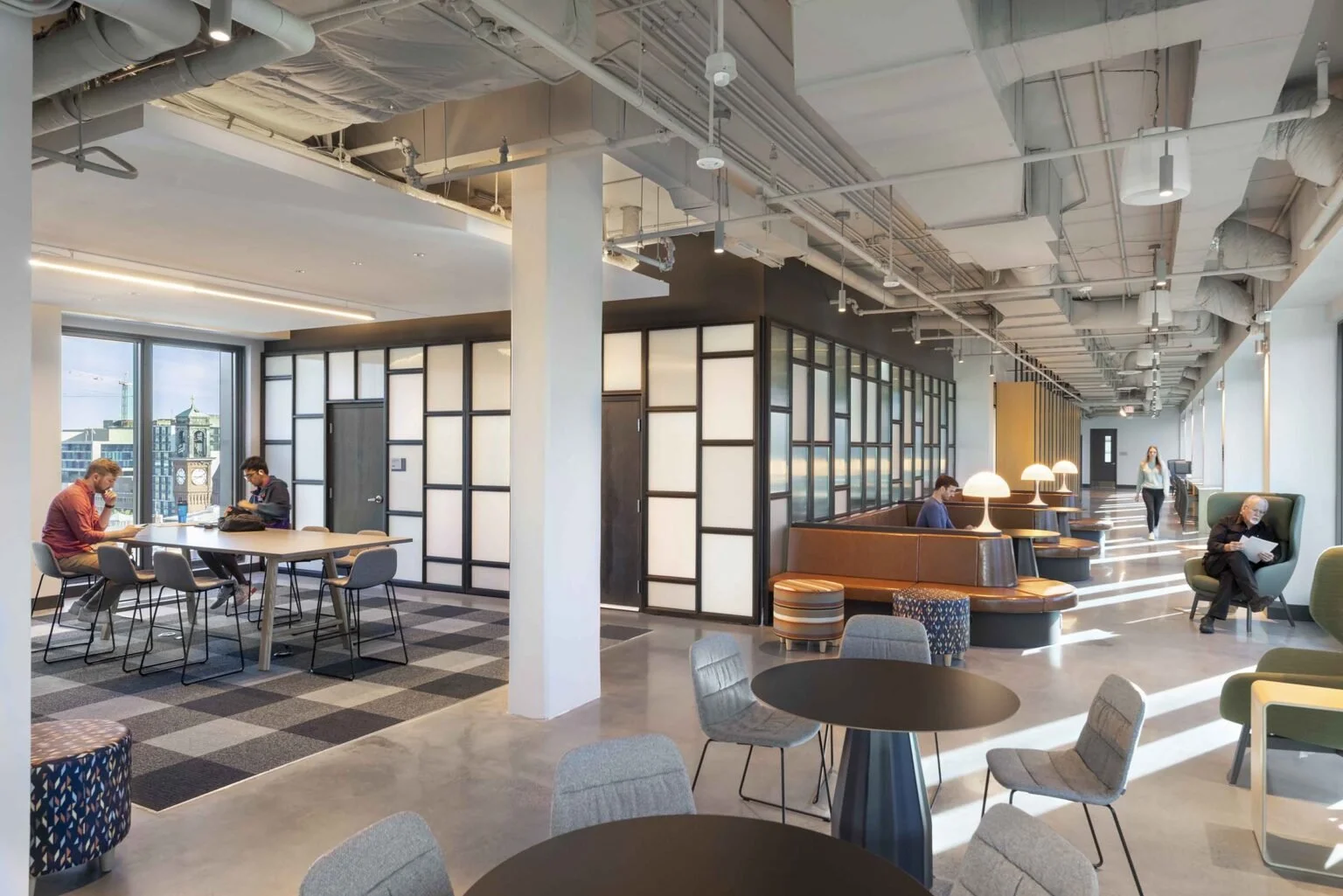
For real estate investors, property managers, and business owners in New York City, a commercial gut renovation represents both significant opportunity and substantial risk. Whether you're converting a warehouse into modern office space, transforming a retail storefront into a restaurant, or completely reimagining a multi-floor commercial building, the stakes are high and the regulatory requirements are complex.
Unlike residential renovations where the primary concern is livability and aesthetics, commercial gut renovations must balance aggressive ROI targets with stringent compliance requirements, accelerated timelines, and the very real cost of business interruption. Getting it right requires expertise that goes far beyond general construction knowledge—it demands a deep understanding of NYC's Department of Buildings procedures, fire code regulations, and the intricate dance of managing multiple city agencies.
This guide provides real estate investors and commercial property owners with the essential knowledge needed to navigate commercial gut renovations in NYC, from understanding permit requirements to budgeting for maximum ROI.
From Concept to Conversion: The Commercial Gut Scope
A commercial gut-out means complete demolition of the interior space down to the structural shell of the building. Every interior wall (non-structural), ceiling, floor finish, mechanical system, electrical component, plumbing fixture, and architectural element is removed. What remains is the basic structural frame—the columns, beams, floor slabs, and exterior walls that define the building envelope.
This level of demolition serves several purposes in commercial real estate. First, it allows you to completely reconfigure the space to match your new business use and maximize square footage efficiency. Second, it eliminates the liability of inheriting someone else's outdated or non-compliant systems. Third, it provides the opportunity to upgrade all building systems to modern standards that support higher occupancy loads, greater energy efficiency, and enhanced tenant appeal.
The stakes in commercial renovations are substantially higher than in residential projects. Every day your property sits vacant or under construction represents lost rental income or delayed business opening. For investors, this means the carrying costs of the mortgage, property taxes, and insurance continue to accumulate while no revenue comes in. For business owners preparing to launch a new restaurant, retail store, or office, construction delays can mean missed seasonal opportunities, extended lease payments on temporary locations, or loss of market momentum.
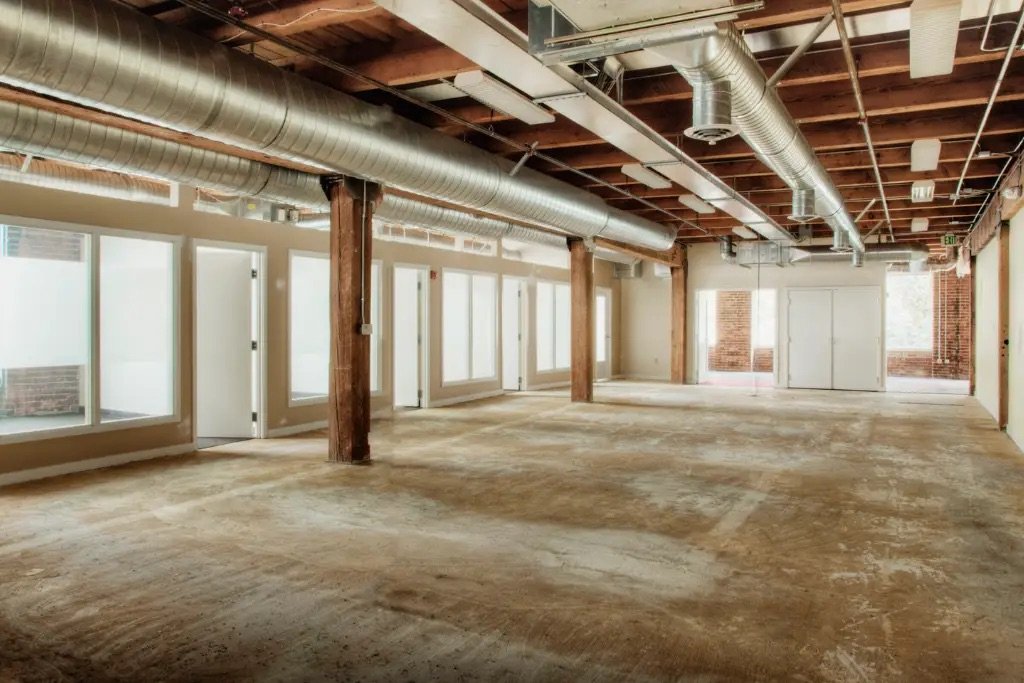
Commercial gut renovation projects in NYC span diverse property types and end uses. Converting an industrial warehouse in Brooklyn into modern creative office space might involve adding new HVAC systems, creating ADA-compliant bathrooms, installing commercial-grade electrical service, and reconfiguring the space for open workspace and private offices. Transforming a ground-floor retail space into a full-service restaurant requires extensive mechanical work for kitchen exhaust systems, grease traps, gas service upgrades, dedicated HVAC for dining areas, and fire suppression systems. Renovating multiple floors of an older office building for Class A tenants involves modernizing elevators, upgrading life safety systems, installing efficient HVAC, and creating flexible floor plates that accommodate various tenant needs.
Each project type carries its own timeline pressures and complexity factors, but all share the common challenge of navigating NYC's demanding regulatory environment while maximizing the speed to occupancy and return on investment.
NYC DOB & Commercial Permit Requirements
The Department of Buildings permit process for commercial gut renovations is significantly more complex than residential work. Understanding these requirements isn't just about compliance—it's about managing your timeline and budget effectively, as permit delays can extend your project by months and cost tens of thousands of dollars in carrying costs.
Commercial alterations are classified into three types, with Type 1 alterations receiving the most scrutiny and requiring the most extensive review. An Alteration Type 1 is required when your renovation involves changing the building's use or occupancy classification, altering means of egress (how people enter and exit, including stairs and corridors), affecting structural elements, or increasing occupancy load beyond certain thresholds. Most commercial gut renovations trigger Alteration Type 1 requirements because they fundamentally change how the space functions.
Type 2 and Type 3 alterations involve less extensive changes—Type 2 covers work that doesn't meet Type 1 criteria but still requires professional design, while Type 3 applies to relatively minor alterations that don't require detailed plans. For a complete gut renovation, you should expect to file under Alteration Type 1 in most cases.
The Certificate of Occupancy challenge is one of the most critical aspects of commercial renovation that many investors underestimate. Every commercial space in NYC must have a valid Certificate of Occupancy that matches its actual use. If you're changing the use of a space—for example, converting from retail to restaurant, or from light manufacturing to office—you'll need to obtain a new or amended CO before you can legally operate your business.
Obtaining a new CO requires full DOB approval of your construction plans, multiple inspections during construction, final inspections of all systems, sign-offs from specialized inspectors for fire alarm systems, sprinklers, and standpipes, and coordination with other city agencies like the Fire Department and Department of Health (for food service establishments). This process typically takes several months minimum and cannot be shortcut. Operating without the proper CO exposes you to violations, fines, and potential forced closure—a risk no investor should take.
The filing process itself requires coordination between multiple licensed professionals. A Registered Architect or Professional Engineer must prepare and seal all construction documents submitted to DOB. Depending on the scope, you may need separate filings from mechanical engineers for HVAC systems, electrical engineers for power and lighting systems, and structural engineers if any structural work is involved. Fire alarm and sprinkler systems require separate permits and plans from specialized fire protection engineers.
Working with a general contractor who has extensive experience managing DOB filings and inspections is essential. They understand how to prepare documentation that passes plan review the first time, how to schedule inspections efficiently to avoid delays, and how to resolve issues that arise during the inspection process. This expertise can easily save you three to six months on your project timeline compared to a contractor who's learning the DOB process as they go.
The Critical Factor: Fire Code and MEP Compliance
Commercial properties in NYC are subject to substantially more stringent fire and life safety requirements than residential buildings. These regulations exist to protect the higher number of occupants typically present in commercial spaces and to ensure that businesses can operate safely. For investors and business owners, fire code compliance isn't optional—it's a fundamental requirement that shapes every aspect of your renovation.
Mechanical, Electrical, and Plumbing (MEP) systems in commercial spaces must handle significantly higher demands than residential systems. Commercial HVAC systems need to provide adequate ventilation for higher occupancy levels, often requiring sophisticated VAV (Variable Air Volume) systems, dedicated outdoor air systems, and substantial cooling capacity. A commercial kitchen requires specialized exhaust hoods with fire suppression systems, makeup air systems to replace exhausted air, and grease interceptors for waste water. Office spaces need power distribution systems capable of handling high-density workstation layouts, server rooms with dedicated cooling, and emergency power systems for life safety equipment.
Electrical systems in commercial spaces must meet more rigorous standards. You'll need commercial-grade electrical panels with adequate capacity for your use type, emergency lighting systems that provide illumination during power outages, exit signs connected to emergency power, and often generator systems for critical operations. The amperage requirements for commercial spaces typically far exceed residential needs—a commercial kitchen might require 600 to 1,000+ amps of service, while a Class A office building needs robust power distribution to every floor.
Plumbing systems must comply with commercial fixture counts based on occupancy calculations, meet accessibility requirements under the Americans with Disabilities Act, and often include specialized systems like grease traps, backflow preventers, and separate domestic hot water systems with recirculation to prevent Legionella growth.
NYC Fire Code requirements are extensive and unforgiving. Means of egress must be clearly marked, properly sized for occupancy loads, and maintained free of obstructions at all times. Exit paths must have appropriate fire ratings to contain smoke and fire for the required duration. Fire-rated construction assemblies are required for specific locations—walls separating tenant spaces, enclosures around vertical shafts, and barriers between different use groups.
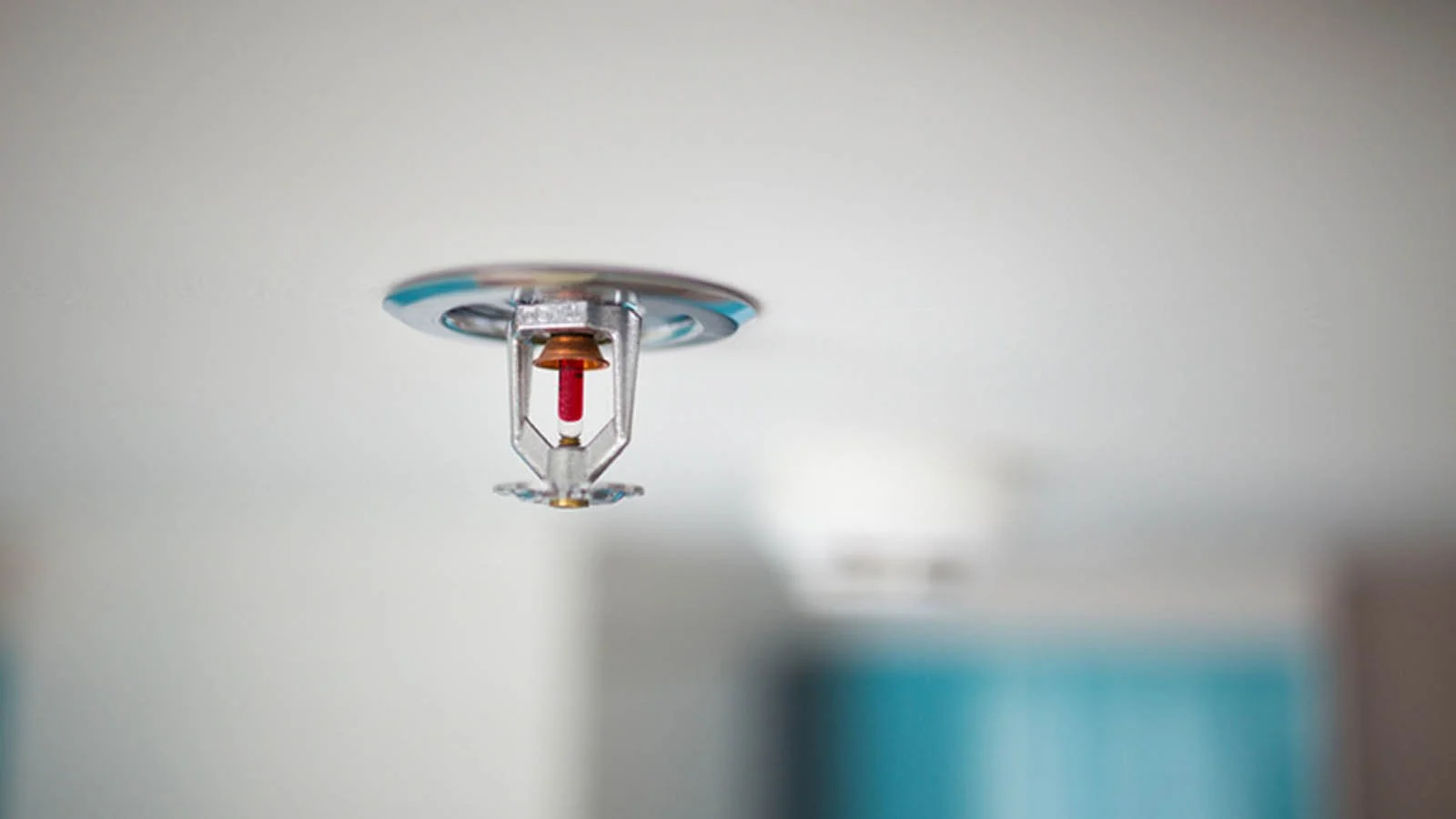
Sprinkler systems are required in most commercial occupancies, with design specifications that vary based on use type, ceiling height, and construction type. Restaurant kitchens require automatic fire suppression systems tied into the gas and electrical service. Fire alarm systems must be interconnected, monitored, and meet specific detection and notification requirements based on occupancy and building size.
Third-party inspections add another layer of compliance verification. Commercial projects require specialized inspectors approved by the DOB to verify that fire alarm systems, sprinkler systems, standpipe systems, and other life safety components have been installed correctly and function properly. These inspections must be completed before you can receive final approval and your Certificate of Occupancy.
The complexity of fire and MEP compliance is precisely why commercial gut renovations require contractors with specific commercial expertise. A firm that primarily handles residential work won't have the knowledge, relationships with specialized subcontractors, or experience navigating these more demanding requirements. The risk of code violations, failed inspections, or systems that don't function properly is simply too high.
Budgeting for Commercial ROI and Business Use
Commercial gut renovation costs are structured differently than residential projects, with wide variation based on the end use of the space. As an investor or business owner, your budgeting approach should focus relentlessly on ROI metrics—cost per square foot of rentable space, time to revenue generation, and total project cost as a percentage of the property's stabilized value.
For commercial build-out costs in NYC, expect to budget between $150 and $250+ per square foot for most office and retail fit-outs, though this range varies dramatically based on finish level and use type. A basic office build-out with standard finishes, open floor plans, and minimal custom work might come in around $150 to $180 per square foot. A Class A office space with private offices, conference rooms, high-end finishes, and sophisticated technology integration typically runs $200 to $250 per square foot or more.
Restaurant build-outs are consistently the most expensive commercial renovation type, often exceeding $300 to $400+ per square foot due to the complexity of kitchen systems, specialized equipment, extensive MEP requirements, and custom finishes. A full-service restaurant with a commercial kitchen, bar, dining room, and bathrooms can easily cost $500,000 to over $1,000,000 for a 2,000-3,000 square foot space.
Retail spaces fall somewhere in between, typically ranging from $150 to $250 per square foot depending on the nature of the business. A basic retail storefront with display areas, a point-of-sale zone, and a small back office will be on the lower end, while specialty retail requiring custom fixtures, sophisticated lighting, and specialized systems will trend higher.
Beyond direct construction costs, commercial projects involve substantial operational expenses that must be factored into your budget. HVAC tonnage requirements for commercial spaces often necessitate rooftop unit installations or building-wide system upgrades that can add $50,000 to $150,000 or more to project costs. Specialized equipment installation—commercial kitchen equipment, retail fixtures, office furniture systems—represents a separate budget line that many investors fail to adequately plan for.
Project management and professional fees consume a larger percentage of commercial budgets than residential projects. Architect and engineer fees typically run 10% to 15% of construction costs for commercial projects. You'll need expediter services to navigate DOB approvals efficiently, specialized consultants for fire safety systems, and potentially code consultants to help interpret complex requirements. These soft costs can easily add 20% to 25% to your base construction budget.
The business cost of downtime cannot be overlooked in your financial planning. Every month of construction represents lost revenue—rental income you're not collecting or business revenue you're not generating. For an investor holding a $3 million property that could generate $25,000 per month in rental income, a three-month construction delay costs $75,000 in lost revenue plus the continued carrying costs of the mortgage and expenses. This is why speed to completion is often more valuable than marginal savings on construction costs.
Minimizing downtime requires a contractor who can effectively manage multiple trade contractors, maintain momentum through the permit and inspection process, and problem-solve quickly when issues arise. The value of experience becomes clear here—a contractor who can shave two to three months off the project timeline by efficiently managing the construction process and avoiding inspection failures delivers ROI that far exceeds any premium in their fee structure.
For investors evaluating the financial viability of a commercial gut renovation, the key metric is your all-in cost (purchase price plus renovation) as a percentage of the stabilized value or as a multiple of annual net operating income. In most NYC commercial markets, if you can complete a gut renovation for 60% to 70% of the stabilized value and achieve market-rate rents, you're creating meaningful equity and cash flow. The arithmetic only works, however, if you budget accurately and avoid the costly surprises that derail less experienced investors.
Selecting Your NYC Commercial Gut Renovation Partner
Choosing the right general contractor for your commercial gut renovation is the single most important decision you'll make in the entire project. Unlike residential work where the homeowner is heavily involved in daily decisions, commercial projects demand a contractor who can operate with significant autonomy while keeping you informed of anything that impacts timeline or budget.
The most critical criterion is demonstrable experience with Alteration Type 1 projects in NYC. Ask potential contractors for specific examples of recent projects similar in scope, use type, and complexity to yours. If you're building out a restaurant, you want a contractor who has successfully navigated multiple restaurant projects, understands the specific requirements of commercial kitchen installations, and has relationships with inspectors who review food service establishments. If you're converting a warehouse to office space, you need someone who has managed that exact transition before.
Request detailed references and actually call them. Ask property owners and investors specific questions: Did the contractor complete the project on schedule? How did they handle unexpected conditions or scope changes? Did they proactively identify potential issues before they became problems? How was their communication throughout the project? Were there any surprises at the end regarding costs? Would you hire them again for your next project?
Track record with the Department of Buildings and Fire Department matters enormously. A contractor with strong relationships, a reputation for quality work, and a history of passing inspections the first time will move through the approval process far more smoothly than one who's constantly dealing with violations or failed inspections. Ask for their DOB license number and look up their filing history—it's public information. Multiple violations or a pattern of stop-work orders should raise serious red flags.
The contractor's approach to project management and communication will determine your experience throughout the renovation. Who will serve as your primary point of contact? Will you have a dedicated project manager overseeing the site daily? How often will you receive updates, and in what format? What project management software or systems do they use to track progress, manage the budget, and document decisions? Commercial projects involve hundreds of decisions and coordination points—you need systems and processes, not just good intentions.
Verify that the contractor maintains appropriate insurance coverage, including commercial general liability insurance with limits adequate for your project size (typically $2 million to $5 million), workers' compensation coverage for all employees and subcontractors, and builder's risk insurance during construction. Request certificates of insurance naming you and any lenders as additional insureds. This isn't just about protecting against accidents—it's about ensuring you're working with a legitimate, professional operation.
Finally, evaluate the contractor's capacity to handle your project. Do they have multiple projects underway simultaneously? Do they have the financial strength to purchase materials and meet payroll without relying on your draws? Can they dedicate adequate superintendent time to your site, or will your project be just one of many competing for attention? A smaller contractor might give you more direct attention, while a larger firm offers more resources and backup capacity—both models work if the firm is appropriately sized for your project.
Maximizing Your Commercial Renovation Investment
A commercial gut renovation in NYC represents a significant capital investment with equally significant potential returns. The difference between a successful project that creates value and a problem project that erodes returns often comes down to three factors: accurate budgeting from the start, selecting a contractor with genuine commercial expertise, and maintaining focus on the speed to revenue generation throughout the process.
The regulatory complexity of NYC commercial construction isn't going to get simpler. DOB requirements will continue to evolve, fire code standards will become more stringent, and the inspection process will remain demanding. Investors and business owners who succeed in this environment recognize that compliance expertise and construction quality aren't cost centers to be minimized—they're investments that protect the entire project and enable faster completion.
If you're planning a commercial gut renovation in NYC, the value of working with a contractor who specializes in navigating these complexities cannot be overstated. You need a partner who understands not just construction, but the business implications of every decision, who can accelerate the DOB process through experience and relationships, and who treats your investment with the same urgency you do.
Our firm specializes in commercial gut renovations throughout New York City, with extensive experience across office build-outs, retail conversions, restaurant construction, and mixed-use developments. We handle every aspect of the process—from initial space assessment and design coordination through DOB filings, construction management, inspections, and final Certificate of Occupancy. Our team includes licensed professionals with deep relationships at the Department of Buildings and Fire Department, and we work with the best trade contractors in the city who understand commercial standards and timelines.
We understand that your investment depends on speed, quality, and coming in on budget. Let's discuss your project and show you how our experience can help you achieve your ROI goals while navigating NYC's regulatory environment efficiently. Contact us today to schedule a consultation and site visit.
