
NYC Gut Renovation Cost Guide for 2026
Budgeting, Permits, and Finding the Right Contractor

If you're considering a gut renovation in NYC, you're embarking on one of the most transformative—and complex—projects a homeowner can undertake. Whether you've purchased a pre-war gem in need of modernization or you're ready to reimagine your current space from the ground up, understanding the full scope of what a gut renovation entails is essential to your success.
This comprehensive guide walks you through everything you need to know about gut renovation costs in NYC for 2025, from realistic budgeting and navigating the city's notorious red tape to maximizing your property value and finding the right contractor for the job.
Understanding What a "Gut Renovation" Truly Is in NYC
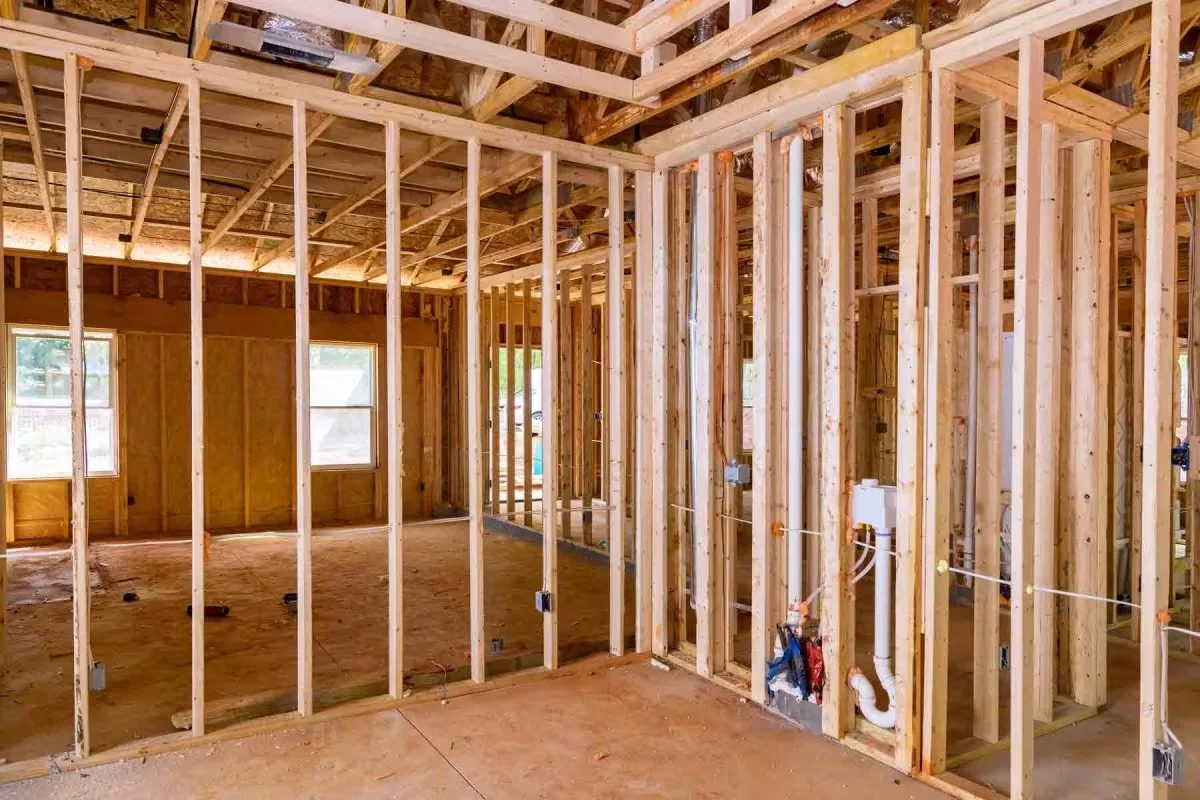
A gut renovation means exactly what it sounds like: taking your apartment, brownstone, or townhouse down to the bare bones. This involves complete demolition of all non-structural elements, leaving only the structural framework—the studs, joists, and load-bearing walls that hold the building together.
In a typical NYC gut renovation, you're replacing or upgrading every major system in your home. This includes all plumbing lines, electrical wiring, HVAC ductwork and equipment, insulation, walls, ceilings, floors, and every finish surface. Kitchens and bathrooms are built from scratch. Door frames, moldings, and fixtures are all new installations.
Why do so many NYC properties require this level of work? The answer lies in the age and condition of our building stock. Many Manhattan and Brooklyn buildings date back to the early 20th century or earlier, with infrastructure that hasn't been meaningfully updated in decades. Original plumbing may be corroded cast iron or even outdated galvanized steel. Electrical systems might still run on outdated fuse boxes rather than modern circuit breakers, unable to handle the demands of contemporary life. Layouts designed for another era often don't align with how we live today.
A gut renovation gives you the opportunity to address all these issues at once. It's the only way to truly modernize an older apartment, resolve chronic problems like poor water pressure or inadequate heating, and reconfigure your space to match your lifestyle. While the process is intensive, it results in what is essentially a brand-new home within your existing four walls.
The Complete Cost Breakdown: What to Expect
One of the first questions every homeowner asks is: "How much will this actually cost?" For a high-quality gut renovation in NYC in 2025, you should budget between $350 and $450 per square foot as a baseline for mid-range to upper-mid-range finishes. This means a 1,000-square-foot apartment would cost approximately $350,000 to $450,000 to completely gut and renovate.
For luxury renovations featuring premium materials, custom millwork, high-end appliances, and designer fixtures, costs can easily exceed $500 to $600 per square foot or more. On the other end of the spectrum, if you're willing to make strategic compromises on finishes and do some work yourself (where building rules permit), you might achieve a basic gut renovation closer to $250 to $300 per square foot—though this typically sacrifices quality and longevity.
Several factors influence where your project falls within this range. The age of your building plays a significant role; older buildings often hide surprises behind walls that drive up costs once demolition begins. Your floor level matters too—higher floors mean higher labor costs due to the logistics of transporting materials and debris. Buildings without service elevators add another layer of complexity and expense.
Your choice of finishes has perhaps the biggest impact on your final budget. Selecting mid-range fixtures, standard tile options, and quality but not exotic materials keeps you in the moderate range. Opting for Italian marble, custom cabinetry, imported fixtures, and smart home integration pushes you toward the luxury end.
Kitchens and bathrooms deserve special attention in your budget planning—they're the "big spenders" of any gut renovation. A well-appointed NYC kitchen renovation typically runs between $65,000 and $100,000 or more, depending on size and finish level. This includes custom or semi-custom cabinetry, quality appliances, countertops, backsplash, lighting, and all the mechanical work required. Full bathroom renovations generally range from $30,000 to $50,000 each, with master bathrooms potentially exceeding $75,000 when including luxury features like heated floors, custom tile work, and high-end fixtures.
Budgeting for Success: Allocating Funds and Contingency
Creating a realistic budget requires more than just multiplying your square footage by a cost-per-foot number. Experienced renovators follow what's often called the 60/40 rule: approximately 60% of your total budget goes to actual construction costs (labor and materials), while the remaining 40% covers soft costs and contingencies.
Soft costs include essential professional services and fees that don't directly build anything but are absolutely necessary. Your architect's fees typically run 8% to 15% of construction costs for full design services. Structural engineer and mechanical engineer fees add several thousand dollars more. If you live in a co-op or condo, building fees can be substantial—many buildings require renovation deposits of $5,000 to $15,000 or more (refundable after completion), plus move-in and move-out fees, insurance certificate fees, and application review fees.
The contingency fund is perhaps the most critical component of your budget, yet it's the one homeowners most often try to cut. For a gut renovation in NYC, you should maintain a contingency of 15% to 20% of your construction budget—and consider this money already spent, not a cushion you hope to avoid using.
Why such a large contingency? Because gut renovations, by their nature, involve exposing building systems and structures that have been hidden for decades. It's not uncommon to discover corroded pipes that need replacement beyond the original scope, structural issues that require remediation, or outdated electrical work that doesn't meet current code. Asbestos remediation, if discovered, can add $5,000 to $15,000 or more to your costs. These aren't possibilities—they're probabilities in NYC's aging building stock.
A renovation that starts without adequate contingency funds often ends in one of two ways: either you run out of money before completion, forcing you to settle for cheaper finishes or incomplete work, or you end up scrambling for additional financing at unfavorable terms. Neither outcome is acceptable when you're already living through the disruption of a gut renovation.
Navigating the NYC Renovation Red Tape
NYC's regulatory environment around renovations is among the most complex in the nation. Understanding what's required—and having a contractor who can navigate these requirements efficiently—can mean the difference between a smooth project and a nightmare of delays and violations.
Department of Buildings (DOB) permits are required whenever your renovation involves structural changes, alterations to building systems, or modifications to the building's footprint. This includes moving or removing walls (even non-load-bearing ones in many cases), upgrading electrical panels, relocating plumbing fixtures, or installing new HVAC systems. Your general contractor and design professionals will determine exactly which permits your specific project requires, but you should expect permit applications to take several weeks to several months for approval.
For apartment owners, the co-op or condo board approval process is often more daunting than city permits. This is the single most critical residential step and the one that causes the most delays when not handled properly. Every building has its own alteration agreement with specific requirements, but most follow a similar pattern.
You'll need to submit a detailed alteration application including architectural drawings, a schedule of work, proof of insurance, contractor information, and often a refundable deposit. Your architect or contractor must provide a Method of Procedure (MOP)—a document outlining exactly how work will be conducted, how the building will be protected, what hours construction will occur, and how debris will be removed.
Buildings typically restrict renovation work to specific hours (often 9 AM to 5 PM on weekdays, with no weekend work) and require advance notice before starting each phase. Some buildings mandate that certain types of loud or disruptive work only occur during specific windows. Violating these rules can result in stop-work orders, fines, or even forced removal of completed work.
The importance of working with licensed professionals cannot be overstated. NYC requires that a licensed Professional Engineer (PE) or Registered Architect (RA) seal all plans submitted to the DOB for work requiring permits. Your general contractor must be licensed and insured, with workers' compensation coverage for all workers on site. Hiring unlicensed contractors or attempting to avoid the permit process might seem like a way to save money, but it creates massive liability and can make your apartment virtually unsellable in the future.
Maximizing Property Value with Your Gut Renovation
While a gut renovation is undoubtedly a major investment, it's important to view it through the lens of long-term value creation. Strategic renovation decisions can increase your property value by 20% to 30% or more, providing both immediate enjoyment and significant financial return when you eventually sell.
The highest-impact updates typically involve reconfiguring your layout to match contemporary living preferences. Open-concept layouts that unite kitchen, dining, and living spaces are universally desirable in today's market. If your apartment layout allows, removing walls to create larger, more flexible spaces makes your home feel significantly more valuable than its square footage alone would suggest.
Adding a legal second bathroom, where structurally and legally feasible, is one of the single best investments you can make. In NYC, the difference in market value between a one-bathroom and two-bathroom apartment of similar size can be $100,000 to $200,000 or more. While adding a bathroom is expensive—requiring plumbing infrastructure, ventilation, permits, and board approval—the return on investment typically justifies the cost.
Modernizing your mechanical, electrical, and plumbing (MEP) systems might not be glamorous, but it's essential for both functionality and value. Today's buyers expect central air conditioning, abundant electrical outlets for their devices, strong water pressure, and efficient heating. Installing new systems during your gut renovation means everything will be warrantied, code-compliant, and trouble-free for years to come.
Your finish selections deserve careful thought. While trends come and go, classic materials in neutral palettes maintain value across market cycles. Quality hardwood floors, timeless subway or large-format tiles, marble or quartz countertops, and substantial cabinetry in traditional finishes all contribute to a sense of permanence and quality. You want buyers to walk in and immediately recognize that the renovation was done right, with materials that will last.
The ROI of a complete gut renovation in NYC is compelling when done correctly. While you're unlikely to recoup 100% of your investment immediately after completion, the combination of increased property value, enhanced livability, and avoided maintenance issues over the next decade typically makes the financial equation work strongly in your favor. Moreover, if you plan to live in the space for several years, you'll enjoy the benefits of your new home while the market continues to appreciate.
Finding the Right NYC Gut Renovation Contractor
The success of your gut renovation hinges on selecting the right general contractor. This isn't a decision to make based solely on price—the lowest bid often indicates corners will be cut or that the contractor has underestimated the scope and will hit you with change orders later.
Look for a contractor with extensive experience in NYC gut renovations specifically. The regulatory environment, logistics challenges, and building-specific requirements in New York City are unique. A contractor who primarily works in suburban markets or other cities won't have the relationships, knowledge, or processes necessary to navigate NYC's complexity.
Request references from recent projects similar in scope to yours, and actually call those references. Ask about communication, how the contractor handled unexpected issues, whether they stuck to the timeline and budget, and how the quality of work compares to expectations. If possible, visit completed projects to see the quality firsthand.
Verify that your contractor carries adequate insurance, including general liability and workers' compensation coverage. Request certificates of insurance and don't take their word for it—your building will require these documents anyway, and you want to verify coverage before signing any contracts.
The contractor's team matters as much as the company itself. Who will be your day-to-day point of contact? Will you have a dedicated project manager? What subcontractors do they use for specialized trades like electrical, plumbing, and HVAC? Established contractors work with the same trusted subcontractors repeatedly, ensuring quality and accountability.
Finally, pay attention to how the contractor communicates during the bidding process. Are they responsive to your questions? Do they provide detailed, itemized proposals? Do they take time to understand your vision and goals, or are they rushing to give you a number? The renovation process will involve hundreds of decisions and constant communication—you need a contractor who prioritizes clear, proactive communication from the start.
Ready to Start Your NYC Gut Renovation?
A gut renovation in NYC is a significant undertaking, but with proper planning, realistic budgeting, and the right team of professionals, it's an incredibly rewarding investment in your home and your future. You'll create a space that's perfectly tailored to your lifestyle while modernizing every system and finish to current standards.
The key to success is starting with education—understanding what you're getting into, what it will really cost, and what challenges you'll face. Armed with this knowledge, you can make informed decisions, budget appropriately, and select professionals who will bring your vision to life.
If you're ready to explore what a gut renovation could mean for your NYC home, we're here to help. Our team specializes in navigating the complexities of residential renovations in New York City, from initial design through final certificate of occupancy. We handle every aspect of the process—design coordination, permit applications, board approvals, construction management, and quality control—so you can focus on the exciting parts of creating your dream home.
Contact us today for a consultation. We'll visit your space, discuss your goals and budget, and provide you with a clear roadmap for your gut renovation project. Let's turn your vision into reality.
