
The Property Manager's Guide to Low-Stress Hallway and Corridor Renovations in NYC
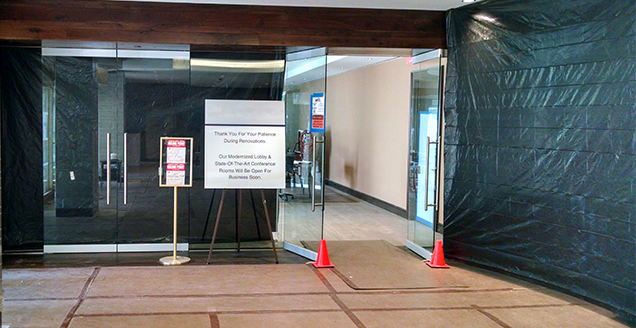
Property managers in New York City face unique challenges when planning building corridor renovations. Between navigating Department of Buildings permits, maintaining FDNY compliance, coordinating with residents in occupied buildings, and selecting materials that will withstand decades of high-traffic use, the complexity can feel overwhelming. One misstep can result in stop-work orders, resident complaints, or costly delays that blow through your budget and timeline.
This comprehensive guide provides property managers with a practical roadmap for executing successful NYC building corridor renovation projects—from initial planning through final certificate of occupancy. Whether you're managing a pre-war co-op in the Upper West Side or a mid-century condo in Brooklyn, you'll find actionable strategies for minimizing disruption, ensuring compliance, and delivering results that satisfy both building owners and residents.
Understanding NYC Building Corridor Renovation Requirements
NYC building corridor renovation isn't simply a matter of picking paint colors and ordering carpet. The city's regulatory framework, building codes, and safety requirements create a complex environment that demands expertise and meticulous planning.
A corridor renovation in New York City typically involves work on apartment hallways, public corridors connecting units to elevators and stairwells, and sometimes lobby spaces that serve as primary building circulation. These are considered means of egress—critical pathways that must remain accessible and code-compliant at all times, even during construction.
The Department of Buildings classifies corridor work based on scope. Minor cosmetic updates like painting and carpet replacement may qualify for a simple alteration application. More substantial work involving electrical upgrades, ceiling modifications, sprinkler system changes, or structural elements requires a full Alt-2 permit. Property managers must understand which category their project falls into, as the permitting requirements, timelines, and costs differ dramatically.
What makes hallways NYC particularly challenging is that you're rarely working with a blank slate. Most buildings have existing infrastructure—some of it decades old—that constrains your design options. Load-bearing walls can't be moved. Existing sprinkler risers and fire alarm systems must remain operational or be upgraded to current code. Ventilation requirements may dictate ceiling heights. These aren't suggestions; they're hard limitations that must be incorporated into your planning from day one.
The occupied building factor adds another layer of complexity that property managers in NYC know all too well. Unlike new construction where contractors have full site access and control, corridor renovations happen while residents are living their daily lives. People need to access their apartments, accept deliveries, take out trash, and evacuate safely in case of emergency—all while construction is ongoing. Managing this balance between renovation progress and resident accommodation is where inexperienced contractors struggle and experienced ones excel.
Navigating DOB Permits and Regulatory Compliance
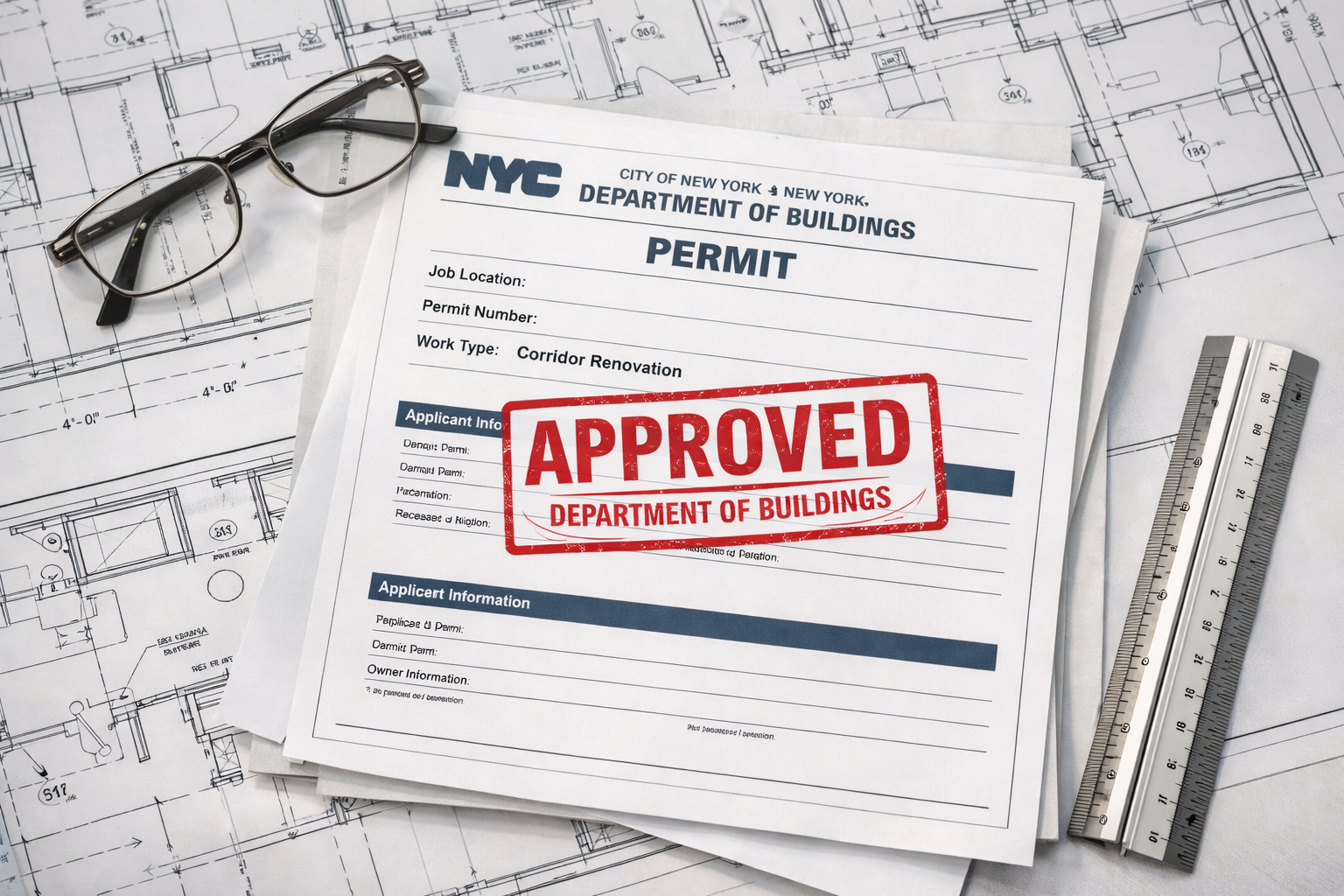
The Department of Buildings permit process is often the most intimidating aspect of corridor renovation for property managers, particularly those new to capital improvement projects. Understanding what's required, how long it takes, and what can go wrong helps you plan realistically and avoid common pitfalls.
For most apartment corridor renovations, you'll need an alteration permit. The specific permit type depends on your scope of work. Alt-1 permits cover major alterations that change the building's use, egress, or occupancy—rarely applicable to corridor work. Alt-2 permits are for work affecting structural elements or multiple dwelling systems, which includes most substantial corridor renovations. Alt-3 permits cover minor alterations without structural impact, which might apply to simple cosmetic updates.
The application process requires sealed plans from a licensed Professional Engineer or Registered Architect. This isn't optional—the DOB will not accept applications without PE or RA stamps. Your design professional must prepare detailed construction drawings showing existing conditions, proposed changes, material specifications, and how the work complies with building codes. These drawings typically include floor plans, reflected ceiling plans, electrical layouts, and detailed sections showing wall and ceiling assemblies.
Timeline expectations matter enormously. Standard plan review at the DOB currently takes 10 to 20 business days for straightforward projects, but can extend to 30 to 40 days or more for complex applications or when examiners have questions. Professional Certification (PC) filing, where your architect certifies code compliance, can accelerate approval to 5 to 10 days but costs more in professional fees and carries additional liability for the certifying professional.
Common DOB permit delays include incomplete applications missing required forms or documentation, design elements that don't comply with current code, conflicts with existing certificates of occupancy, and examiner objections that require plan revisions. An experienced architect or expeditor who files regularly with the DOB anticipates these issues and addresses them proactively in the initial submission.
Once approved and construction begins, the DOB requires inspections at specific milestones. Your contractor must call for inspections before covering any work—rough electrical before walls are closed, fire-stopping before ceiling installation, final egress inspection before completion. Failing to schedule required inspections or attempting to cover work without approval results in violations, potential removal of completed work, and significant delays.
Property managers should also be aware of the building's existing violations and certificate of occupancy status. Outstanding violations, particularly those related to means of egress or fire safety, can prevent permit approval or sign-off on your completed work. Resolving pre-existing violations should happen before you file for corridor renovation permits, not as an afterthought when you discover they're blocking your sign-off.
FDNY Fire Safety and Material Requirements
Fire safety isn't just a code requirement—it's a life safety imperative that property managers must take seriously throughout corridor renovation planning and execution. The FDNY has strict regulations governing materials, egress pathways, alarm systems, and emergency lighting in residential building corridors, and violations can result in immediate stop-work orders.
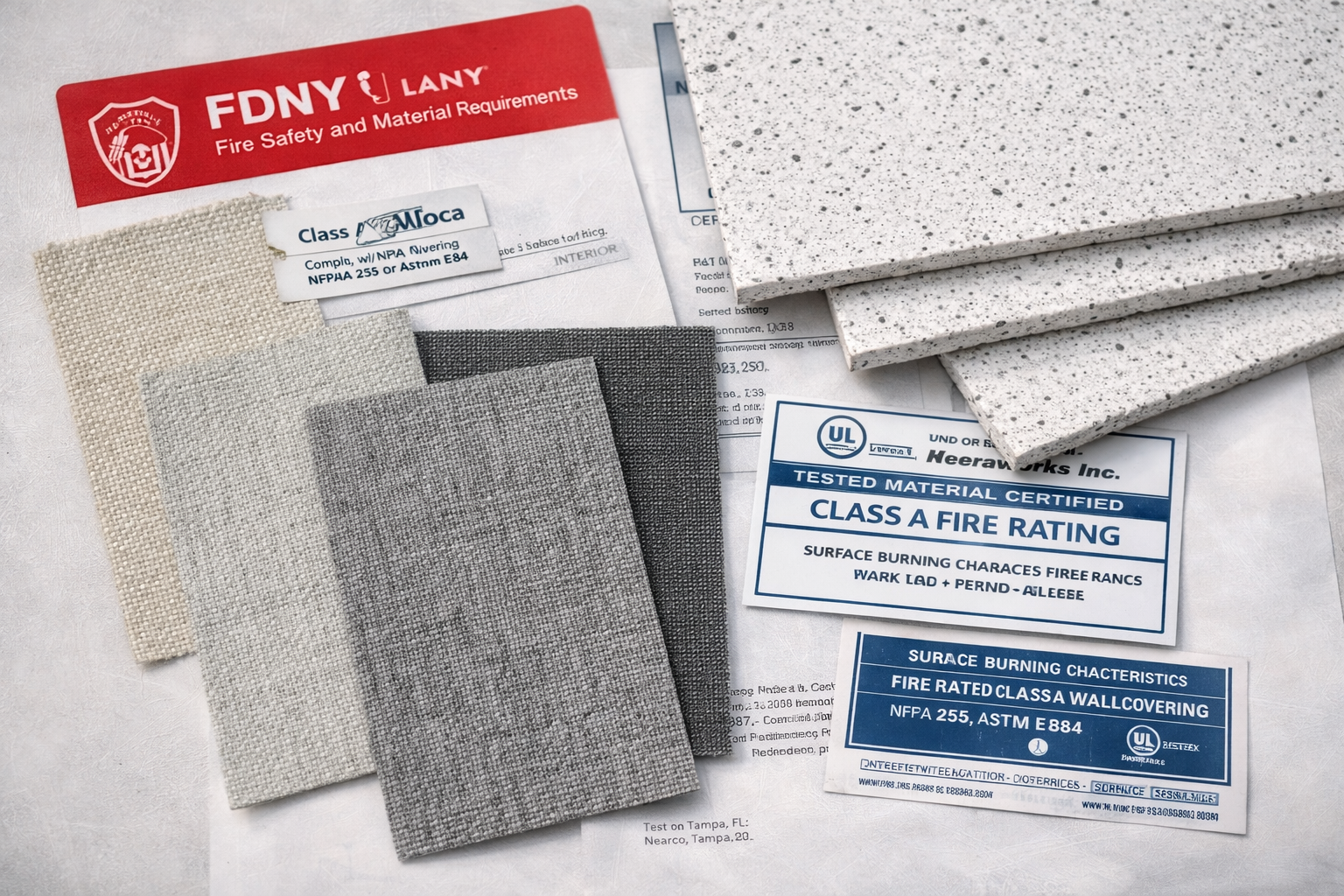
Apartment hallway materials must meet specific flame-spread and smoke-development ratings. The New York City Fire Code requires that corridor wall and ceiling finishes have a Class A (Class I) flame spread rating—meaning they spread flame slowly and generate minimal smoke. This applies to paint, wallcovering, ceiling tiles, and any decorative materials applied to walls or ceilings.
When selecting materials for hallways NYC, property managers must verify that products carry the appropriate certifications. Reputable manufacturers provide documentation showing their products' flame-spread ratings and compliance with NYC building and fire codes. Don't assume that products acceptable in other jurisdictions meet New York City's requirements—NYC's fire code is more stringent than many other cities.
Flooring materials in corridors have different requirements. While flame spread matters less for floor surfaces (fire doesn't typically spread horizontally along floors), you still need materials with appropriate smoke development ratings and resistance to smoldering. Commercial-grade carpet with Class 1 or Class 2 ratings, luxury vinyl tile, or tile and stone all meet code requirements when properly specified.
Emergency egress must remain accessible throughout the renovation process, not just upon completion. This is a critical point that many property managers and contractors underestimate. You cannot completely close corridors during construction. The FDNY requires that residents always have at least one code-compliant path to building exits. This means your contractor must phase work to maintain continuous egress, install temporary barriers that meet code requirements, and potentially provide alternative routes if primary corridors are under construction.
Fire alarm and sprinkler systems require special attention during corridor work. If your renovation involves ceiling modifications, you may need to relocate sprinkler heads to maintain proper spacing and coverage. Any work affecting the fire alarm system—relocating pull stations, smoke detectors, or notification devices—requires a fire alarm permit in addition to your alteration permit. The fire alarm contractor must file an FA3 application with the FDNY before starting work, and the system must be inspected and accepted before you can obtain your final certificate of completion.
Emergency lighting and exit signage are non-negotiable code requirements. Corridors must have battery-backed emergency lighting that activates automatically during power failures, providing illumination to exit stairs and doors. Exit signs must be properly located, illuminated, and visible from all points in the corridor. Even if you're replacing existing emergency lights with new fixtures, the contractor must verify that coverage meets current code—older installations may not comply with current spacing and illumination requirements.
Property managers should schedule an early consultation with the FDNY before finalizing corridor renovation plans. The Bureau of Fire Prevention can review your proposed approach and identify potential issues before you've invested in detailed plans and permitting. This proactive step prevents costly redesigns later in the process.
ADA Accessibility Compliance in Common Corridors
Accessibility isn't just good practice—it's federal and local law that applies to multifamily residential buildings. While the Americans with Disabilities Act (ADA) has different requirements for residential versus public accommodations, the Fair Housing Act (FHA) and NYC Local Law impose accessibility standards that property managers must understand when renovating apartment corridors.
Door hardware throughout corridors must meet accessibility requirements, particularly for common area doors like storage rooms, maintenance closets, or amenity spaces accessed from hallways. Lever handles rather than round knobs, appropriate operating force (typically 5 pounds maximum), and adequate clear width are all code requirements.
Corridor width matters more than many property managers realize. While you can't widen existing corridors without major structural work, any modifications must maintain compliant clear width—typically 36 inches minimum for residential corridors, with 60-inch turning spaces at intersections or dead ends. When planning wall finishes, consider how materials like thick wallcovering or protective panels might reduce clear width below code minimums.
Protruding objects along corridor walls create hazards for people with vision impairments. Wall-mounted elements like light fixtures, artwork, directory systems, or decorative features cannot protrude more than 4 inches into the corridor when mounted between 27 and 80 inches above the floor. This prevents people using white canes from encountering unexpected obstacles at head height.
Floor surfaces must be stable, firm, and slip-resistant. Carpet in hallways must be low-pile and securely attached to prevent tripping hazards. Any changes in level greater than ¼ inch must be properly ramped or beveled. Transition strips between different flooring materials should be as flush as possible to prevent wheelchair or walker difficulties.
Signage and wayfinding should include tactile characters and braille where required by code—typically for permanent room identification like stairwell numbers or amenity room labels. While not every sign requires braille, property managers should consult accessibility requirements during the design phase rather than discovering deficiencies during final inspection.
When renovating older buildings built before current accessibility codes, you're not required to bring the entire building into full ADA compliance—this is the concept of "grandfathering." However, when you do undertake alterations, the specific areas being renovated must comply with current accessibility standards to the maximum extent feasible. This is called the "path of travel" requirement: when you alter a primary function area, you must also make the path of travel to that area accessible, up to 20% of the alteration cost.
For property managers, this means budgeting for accessibility improvements that extend beyond the corridor itself. If your hallway renovation is substantial, you may need to upgrade building entrance accessibility, lobby features, or elevator cab interiors to bring the entire path of travel into compliance.
Minimizing Resident Disruption in Occupied Buildings
Successfully managing resident relations during corridor renovation is what separates competent property managers from exceptional ones. The construction itself might be technically perfect, but if residents are furious about communication, access issues, or quality of life impacts, the project is a failure from the management perspective.
Comprehensive pre-construction communication is your first line of defense against resident complaints. At least three to four weeks before work begins, notify residents about the project scope, timeline, expected impacts, and how you'll address their concerns. This initial notification should be detailed—include start and end dates, work hours, noise expectations, and contact information for questions or issues.
Many property managers find success with phased information releases. An initial high-level announcement introduces the project and its benefits. A follow-up notice provides specific details about the first phase of work. Weekly or bi-weekly updates during construction keep residents informed about progress and upcoming activities. This approach prevents information overload while maintaining consistent communication.
Work hours require careful consideration and clear enforcement. Most NYC co-ops and condos restrict construction to weekday business hours—typically 9 AM to 5 PM Monday through Friday, with no weekend work. These restrictions exist for good reason: residents need quiet mornings and evenings, especially with many people working from home. Property managers must ensure contractors strictly adhere to approved hours and address any violations immediately.
Access and egress management is the most technically challenging aspect of occupied corridor renovation. Residents must always be able to reach their apartments, and emergency egress must never be blocked. This requires careful sequencing: work on one corridor section while others remain fully accessible, install temporary barriers that maintain code-compliant pathways, and provide clear wayfinding when residents must use alternative routes.
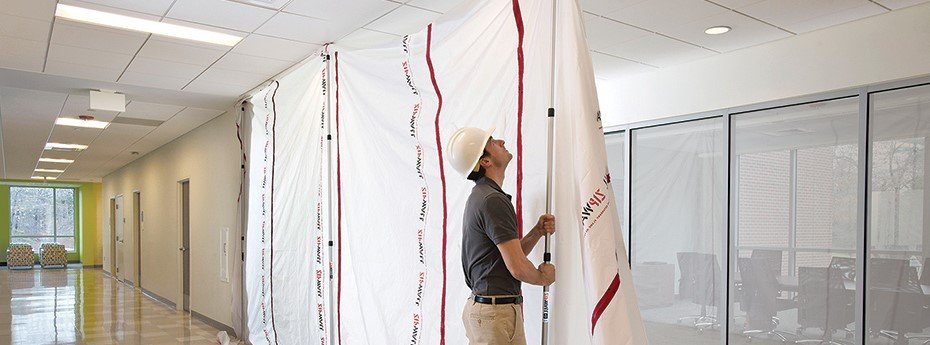
Dust control makes an enormous difference in resident satisfaction. Even cosmetic corridor work generates dust that migrates into apartments under doors and through ventilation systems. Professional contractors use several strategies to minimize dust migration: install temporary barriers with self-adhesive zipper doors at both ends of work areas, use HEPA-filtered vacuums during demolition and sanding, seal apartment doors in the work zone with protective film and tape, run air scrubbers during dusty operations, and perform thorough cleaning at the end of each work day before residents return home.
Elevator protection is essential in buildings where the same elevator serves residents and contractors. Heavy plastic or fabric padding protects walls and floors from dollies, tools, and materials. Dedicated contractor hours—typically early morning before residents need elevators—help minimize conflicts. Some buildings require contractors to use service elevators exclusively when available, reserving passenger elevators for residents.
Noise management extends beyond simple hour restrictions. Property managers should inform residents about particularly noisy operations (demolition, concrete cutting, heavy equipment) with specific advance notice—"On Tuesday, March 15th, we'll be using concrete saws on the 4th floor corridor from 10 AM to 2 PM. This will be louder than typical construction noise." This specificity helps residents plan their day and reduces surprise complaints.
Creating a dedicated communication channel for resident questions and concerns is invaluable during construction. This might be an email address monitored by the property manager, a dedicated phone line, or a section on the building website. Residents need to know they can report issues and get responses quickly. A resident who waits three days for a callback about a legitimate concern becomes an angry resident who complains to the entire building.
Selecting High-Traffic Materials for Durability and Low Maintenance
Material selection might seem like a design decision, but for property managers, it's fundamentally a lifecycle cost and maintenance planning decision. The difference between materials that last 5 years versus 15 years has enormous implications for your long-term capital planning and operating budgets.
Commercial-grade wallcoverings represent one of the best investments for apartment hallways. Unlike paint, which shows scuffs and requires frequent touch-ups in high-traffic corridors, Type II vinyl wallcovering withstands impacts, cleans easily, and maintains its appearance for 10 to 15 years or more. Modern commercial wallcoverings come in extensive patterns and textures that provide visual interest while delivering exceptional durability.
When evaluating wallcovering options, property managers should look for several key specifications. Type II classification indicates the material meets commercial durability standards for scrubability and abrasion resistance. Class A fire rating ensures FDNY compliance. Washability ratings indicate how well the surface withstands cleaning—critical in hallways where fingerprints, scuffs, and occasional spills are inevitable.
The wallcovering installation method matters as much as the product itself. Professional installation with proper wall preparation, adhesive application, and seam work determines long-term performance. Poor installation with inadequate adhesive coverage leads to edges lifting, seams separating, and premature failure—regardless of how good the product is.
Flooring for high-traffic corridors must balance durability, sound absorption, maintenance requirements, and budget. Each option has distinct advantages and appropriate applications. Commercial-grade carpet tile excels in residential corridors for several reasons: it absorbs sound better than hard surfaces, reducing noise transmission between floors and making hallways feel quieter and more residential. Individual tiles can be replaced when damaged or stained without replacing the entire corridor. Modern carpet tile products offer excellent stain resistance and extended warranties. Installation is straightforward and doesn't require extended building disruptions.
However, carpet has maintenance requirements—regular vacuuming, periodic deep cleaning, and faster wear patterns than hard surfaces. Property managers must budget for ongoing maintenance and eventual replacement, typically every 7 to 12 years depending on traffic and maintenance quality.
Luxury vinyl tile (LVT) or luxury vinyl plank (LVP) has gained popularity for corridors because it delivers the appearance of wood or stone with exceptional durability and easy maintenance. LVT requires only sweeping and occasional mopping, never needs waxing or refinishing, resists moisture and staining, and can last 15 to 20 years with minimal care. The trade-off is harder foot feel and more sound transmission than carpet—though quality underlayment can mitigate sound concerns.
Porcelain or ceramic tile offers the longest lifespan—potentially 30+ years with proper installation—but requires the highest upfront investment. Tile works best in lobby areas or buildings where a more formal aesthetic is appropriate. The hard surface and sound transmission make it less ideal for residential corridor environments where softer, quieter surfaces are generally preferred.
Whatever flooring you select, the transition details matter enormously. Transitions between corridor flooring and apartment entry thresholds must be smooth, code-compliant, and durable. Poor transitions create tripping hazards, look sloppy, and fail quickly under traffic. Professional installation with proper planning for transitions is essential.
Lighting selection should prioritize LED technology for both energy efficiency and reduced maintenance. LED fixtures in corridors deliver 50,000 to 100,000 hours of operation—potentially 15 to 20+ years before requiring lamp replacement. This dramatically reduces maintenance labor costs compared to fluorescent or incandescent systems that need relamping every 1 to 3 years.
Modern LED corridor lighting offers excellent color rendering, multiple color temperature options (warm white is most residential-appropriate), dimming capability for day/night programming, and integral emergency battery backup. While LED fixtures cost more initially than basic fluorescent alternatives, the total cost of ownership over 15 years strongly favors LED investment.
Wall protection systems—corner guards, chair rail impact panels, door frame protection—might seem like aesthetic details but serve critical functional purposes in apartment corridors. High-quality protection systems installed during renovation prevent the constant damage that occurs from moving activities, luggage transport, and everyday traffic. The upfront cost is modest compared to the ongoing expense of repairing damaged corners, refinishing scuffed walls, and touching up paint.
Phased Construction Approaches for Large Buildings
In larger apartment buildings with multiple floors or wings, attempting to renovate all corridors simultaneously creates unacceptable disruption and typically proves logistically impossible. A phased approach allows work to progress methodically while minimizing the number of residents impacted at any given time.
The most common phasing strategy is floor-by-floor renovation, starting at the top floor and working downward. This approach has several advantages: debris and dust naturally fall downward during construction, so completed floors above stay cleaner. Gravity helps with debris removal through trash chutes or stairwells. The contractor establishes efficient systems and sequencing on the first floor that then repeat on subsequent floors, improving quality and speed.
Wing-by-wing phasing works well in buildings with distinct sections—east/west wings, front/back sections, or buildings with multiple addresses. This approach concentrates all construction activity in one building section while others remain construction-free. Residents in unaffected wings experience minimal impact, and the building maintains a renovated/not-yet-renovated division that's easy for everyone to understand.
Rolling phasing moves through the building in a continuous wave—completing one section before starting the next, with minimal gaps. This approach keeps the contractor fully engaged without demobilizing and remobilizing, potentially reducing total project duration and cost. However, it also means construction presence extends throughout the entire project timeline rather than concentrated in shorter bursts.
Whatever phasing approach you choose, property managers should consider seasonal timing. Many buildings prefer to schedule corridor renovation during summer months when residents are more likely to be away on vacation and when open windows help ventilate construction areas. Avoid holiday periods when resident tolerance for disruption is lowest.
Material pre-ordering and staging matter enormously in phased projects. Ordering all materials at project start ensures color and pattern consistency across phases—particularly important for carpet, wallcovering, and tile where dye lots can vary. Properly warehousing materials and staging them to floors just before installation prevents theft, damage, and logistical problems.
Project Documentation and Quality Control
Property managers have fiduciary responsibility to building owners and boards to ensure renovation projects deliver value commensurate with investment. Proper documentation and quality control processes protect everyone's interests and create records that prove essential for future maintenance, renovations, and potential sales.
Pre-construction documentation establishes baseline conditions and protects against disputes. Comprehensive photo and video documentation of existing conditions before demolition begins creates a record that proves invaluable if questions arise about what existed previously. Document all visible deficiencies—cracks, water stains, damaged finishes—so there's no confusion later about whether damage is pre-existing or construction-caused.
Material submittals and approvals must be documented in writing. Before the contractor orders or installs any materials, you should have approved submittals showing exact products, colors, finishes, and specifications. This prevents the scenario where contractors install products different from what you specified or agreed upon. Material submittals should include manufacturer data sheets proving fire ratings and code compliance.
Daily progress reports from the contractor create a contemporaneous record of work completed, workers on site, materials delivered, and any issues encountered. These reports prove invaluable for tracking schedule adherence, justifying change orders, and resolving disputes. Many modern contractors use project management software that provides daily photo documentation automatically.
Quality inspections at critical milestones ensure problems are caught and corrected before work proceeds. Inspect rough-in work before walls or ceilings are closed. Verify wallcovering installation before furniture or fixtures are installed against walls. Check flooring installation before removing protective coverings. Early identification of quality issues allows correction without major rework.
Punch list management disciplines the final phase of every project—addressing the small items and final touches that transform a substantially complete project into a fully finished one. An organized punch list process includes a comprehensive walk-through at substantial completion identifying all deficient or incomplete items, written documentation of each punch item with photos when helpful, clear deadlines for contractor correction, and systematic verification that corrections are completed properly.
For property managers, maintaining project documentation in organized, accessible files creates value beyond the immediate project. Future renovations benefit from knowing what materials were used and who supplied them. Warranty claims require proof of purchase dates and installer qualifications. Sale or refinancing processes may require documentation of capital improvements. Building this documentation discipline into your project management approach from the beginning costs almost nothing but delivers ongoing value.
Long-Term Maintenance Planning Post-Renovation
The day your corridor renovation reaches substantial completion isn't the end of property management engagement—it's the beginning of a new phase focused on protecting your investment through proper maintenance and strategic lifecycle planning.
Establishing maintenance protocols immediately after renovation completion sets the foundation for long-term performance. For newly installed carpet, implement regular vacuuming schedules and periodic professional deep cleaning. For wallcovering, train maintenance staff on proper cleaning techniques using appropriate products that won't damage surfaces. For LED lighting, create a tracking system for fixture performance and warranty periods.
Many property managers make the mistake of treating newly renovated corridors with the same maintenance approach as old, worn spaces. This is penny-wise and pound-foolish. Aggressive early maintenance—more frequent cleaning, immediate attention to any damage or defects, quick replacement of failed components still under warranty—extends the lifecycle of your renovation by years.
Warranty tracking requires systematic organization. Every material and system component comes with manufacturer warranties—typically 1 to 10 years depending on the product. Contractor labor warranties cover installation defects, usually for 1 to 2 years. Property managers need organized files showing what's warranted, warranty expiration dates, and procedures for filing claims. Missing warranty deadlines costs buildings tens of thousands of dollars in premature replacements that should have been covered.
Creating a corridor lifecycle plan guides future capital budgeting. Based on the materials installed and manufacturer expected lifespans, you can project when major corridor components will need replacement. This might show carpet needing replacement in 10 years, wallcovering in 15 years, and lighting in 20 years. Armed with this information, boards can plan capital reserves and avoid the crisis management that happens when corridors fail before adequate funds are available for renovation.
Periodic condition assessments—annually for the first few years, then every 2 to 3 years—identify emerging issues before they become major problems. These assessments should document wear patterns, identify any premature failures, note resident feedback, and recommend proactive maintenance or repair. A 30-minute walk-through with photos creates a condition record that helps boards understand how their investment is performing over time.
Finding the Right NYC Building Corridor Renovation Contractor
For property managers, contractor selection might be the single most important decision you make in the corridor renovation process. The right contractor delivers quality work on schedule and budget while maintaining positive resident relations. The wrong contractor creates headaches, delays, cost overruns, and angry residents who blame the property manager.
NYC-specific experience is absolutely non-negotiable. Contractors who primarily work in suburban markets or other cities lack the knowledge, relationships, and processes necessary for successful corridor renovation in occupied NYC residential buildings. Look for contractors with portfolios showing substantial corridor work in Manhattan, Brooklyn, Queens, or the Bronx—buildings similar to yours in age, construction type, and occupancy.
Verification of credentials should be thorough and documented. Confirm the contractor holds current NYC licenses and registrations. Verify insurance coverage including general liability (minimum $2 million), workers' compensation, and automobile coverage. Request certificates of insurance naming your building as additional insured. Check NYC Department of Consumer Affairs for any complaints or violations against the contractor.
References from property managers at buildings similar to yours provide the most valuable insights. Don't just ask for references—actually call them and ask specific questions: How did the contractor handle unexpected conditions? Did they stick to the agreed schedule? How was communication with residents? Were there any significant change orders, and if so, were they justified? What would you do differently if you could repeat the project?
Project management capabilities matter as much as technical construction skills. You need a contractor who assigns a dedicated project manager to your job, provides detailed weekly progress reports and schedule updates, responds quickly to property manager and resident concerns, and maintains clean, organized work sites with proper safety protocols.
The contractor's proposed approach to occupied building challenges reveals their experience level. Inexperienced contractors give vague answers about dust control or resident access. Experienced contractors provide specific methodologies: the exact barrier systems they use, their daily cleaning protocols, how they coordinate elevator usage, their communication process for addressing resident concerns. This level of detail demonstrates they've successfully navigated these challenges many times before.
Pricing structure should be detailed and transparent. The best bids aren't necessarily the lowest—they're the ones that demonstrate the contractor understands the scope, has accounted for all necessary work, and provides clear allowances for material selections and potential conditions. Suspiciously low bids usually indicate the contractor has underestimated the project and will hit you with change orders once work begins.
Cost Benchmarking for NYC Corridor Renovations
Property managers need realistic cost expectations to budget appropriately and evaluate contractor proposals intelligently. NYC corridor renovation costs vary significantly based on building age, scope of work, material selections, and building-specific challenges, but general benchmarks help establish reasonable ranges.
For cosmetic corridor refreshes—new paint, carpet replacement, lighting upgrades, and minor repairs—expect costs in the range of $30 to $60 per linear foot of corridor. A typical floor with 100 linear feet of corridor would cost $3,000 to $6,000 for a basic refresh with standard materials and no major surprises.
Mid-range corridor renovations including wallcovering, upgraded lighting, new baseboards and trim, door hardware replacement, and comprehensive surface upgrades typically run $75 to $150 per linear foot. The same 100-foot corridor costs $7,500 to $15,000, depending on material selections and building conditions.
Comprehensive corridor renovations involving ceiling work, electrical system upgrades, fire alarm modifications, structural repairs, or extensive preparation work can reach $200 to $300+ per linear foot. These projects address deferred maintenance and building systems issues beyond cosmetic updates.
The per-linear-foot metric works for budgeting, but actual costs depend heavily on corridor width, ceiling height, access challenges, and building-specific conditions. A narrow 3-foot-wide corridor with 8-foot ceilings costs far less per linear foot than a grand 8-foot-wide corridor with 10-foot ceilings and ornate moldings.
Lobby areas typically cost more per square foot than corridors due to higher visibility, more demanding finishes, and complex space planning. Budget $125 to $350 per square foot for lobby renovations ranging from refresh to comprehensive renovation.
Property managers should maintain contingency reserves of 15% to 20% for corridor projects in older buildings. Hidden conditions—deteriorated plaster, outdated wiring, structural issues—commonly emerge during demolition and require budget for remediation.
Preparing Your Building for Corridor Renovation Success
Before soliciting contractor proposals or finalizing plans, property managers can take several preparatory steps that dramatically improve project outcomes and reduce the likelihood of complications.
Conduct a comprehensive building assessment including structural review of corridor ceilings and walls, evaluation of existing MEP systems, documentation of any known code violations, and assessment of resident demographics and tolerance for disruption. This information guides appropriate scope development and helps architects and contractors provide accurate proposals.
Engage your co-op or condo board early in the planning process. Boards must approve corridor renovation plans, budgets, and timelines. Early engagement allows boards to understand the necessity, evaluate options, and build consensus before you've invested in detailed plans. Some boards take months to reach decisions—factor this into your project timeline.
Pre-qualify contractors before requesting full proposals. A short preliminary screening identifies contractors with appropriate experience, credentials, and capacity. This prevents wasting time reviewing detailed proposals from contractors who ultimately aren't qualified or available.
Develop clear project specifications before requesting bids. Vague specifications lead to inconsistent proposals that can't be meaningfully compared. Detailed specifications ensure all bidders price the same scope, materials, and performance standards. Your architect can prepare comprehensive specifications, or experienced contractors can help develop specification packages based on your requirements.
Consider hiring an owner's representative or project manager if you lack internal capacity or expertise to manage the renovation actively. Owner's reps advocate for the building's interests, manage contractor performance, and handle daily project oversight—services that pay for themselves through better outcomes and avoided problems.
Ready to Plan Your NYC Building Corridor Renovation?
Corridor and hallway renovations in New York City represent significant investments that directly impact resident satisfaction, building operations, and property values. Success requires navigating complex regulatory requirements, managing occupied building logistics, selecting appropriate materials, and executing with minimal disruption—challenges that separate experienced professionals from those learning on your building's dime.
The key to successful corridor renovation is planning that acknowledges NYC's unique challenges rather than wishing them away. DOB permits take time—build that into your schedule. FDNY requirements constrain material choices—work within those constraints from the beginning. Residents need access and minimal disruption—design your approach around these needs rather than treating them as afterthoughts.
For property managers ready to undertake corridor renovation projects, professional guidance from contractors who specialize in occupied residential buildings in New York City makes the difference between smooth execution and costly frustration.
Our team at NYC Remodeler Inc. has extensive experience managing apartment corridor and hallway renovations throughout Manhattan and Westchester. We handle every aspect of the process—DOB permit applications, FDNY compliance documentation, phased construction planning, resident communication protocols, and quality execution—so you can focus on managing your building while we manage the renovation.
We understand the unique pressures property managers face: board expectations, budget constraints, resident satisfaction, and the need to deliver quality results on schedule. Our approach prioritizes communication, compliance, and minimizing disruption while maintaining the highest standards of workmanship.
